15 Minimal Front Yard Landscaping Ideas For Tiny Yards That Require Little Effort

Small front yards do not need to feel cramped or uninviting. Minimal landscaping transforms tiny spaces into stylish, intentional outdoor areas. The key is choosing designs that maximize visual impact while minimizing maintenance demands. Less is genuinely more when space is limited.
These 15 minimal front yard landscaping ideas show you exactly how to create modern, low-maintenance front entries. Each design works beautifully in small yards and apartment settings. You will learn space-saving techniques. You will discover maintenance-free options. Most importantly, you will create a front yard that looks professionally designed without consuming your time or energy.
🪨 1. Gravel and Stone With Strategic Plantings
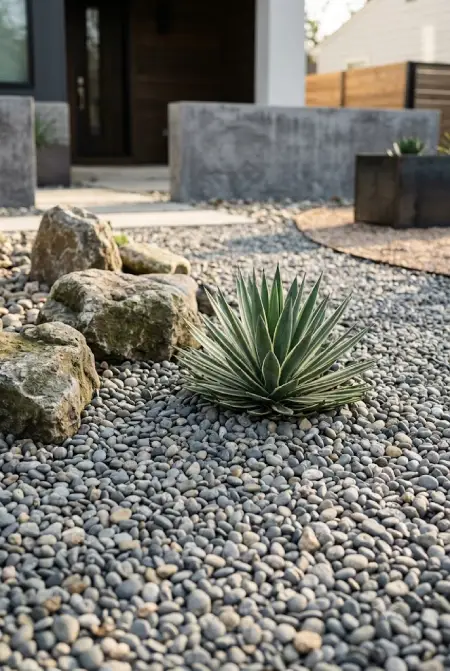
Replace grass with decorative gravel creating clean, minimal aesthetic. Position carefully chosen plants (ornamental grasses, architectural evergreens) creating focal points. Gravel requires minimal maintenance and looks intentionally designed.
Spread landscape fabric preventing weed growth. Layer 2-3 inches of decorative gravel. Place large rocks strategically. Plant 3-5 specimen plants maximum. The simplicity creates sophisticated appearance while being genuinely low-maintenance.
🏙️ 2. Hardscape-Only Front Entry With Pavers
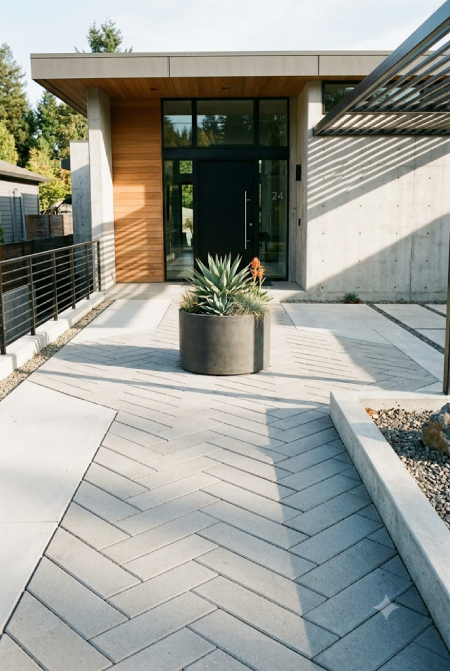
Create completely hardscaped front using pavers, stepping stones, or concrete. Eliminate all plants creating ultra-minimal aesthetic. Add bench or single large planter for softness. Clean lines and geometric patterns create modern appeal.
Choose pavers in neutral tones (grey, concrete, charcoal). Create geometric pattern adding visual interest without plants. Position single architectural planter as focal point. The hardscape-only approach suits contemporary homes perfectly.
🌲 3. Single Specimen Tree With Ground Cover
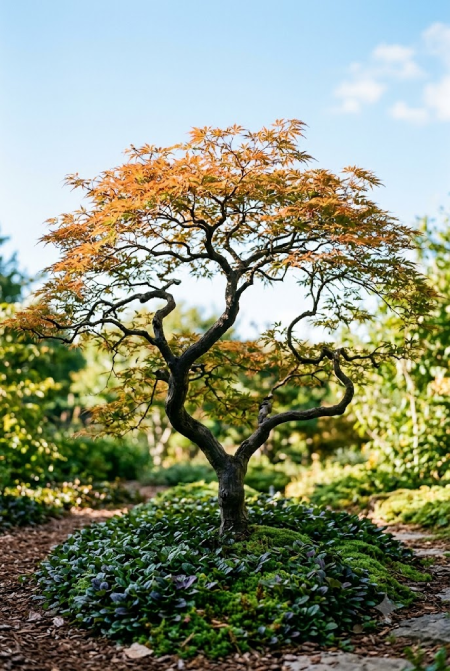
Select one stunning architectural tree (Japanese maple, dwarf conifer) as focal point. Underplant with single ground cover (creeping thyme, sedums, ornamental grasses). The restraint creates sophisticated appearance.
Choose tree providing year-round interest. Space ground cover at recommended distance preventing competition. Water initially then reduce as plants establish. The simplicity actually highlights the specimen tree’s beauty.
🏺 4. Decorative Container Grouping Only
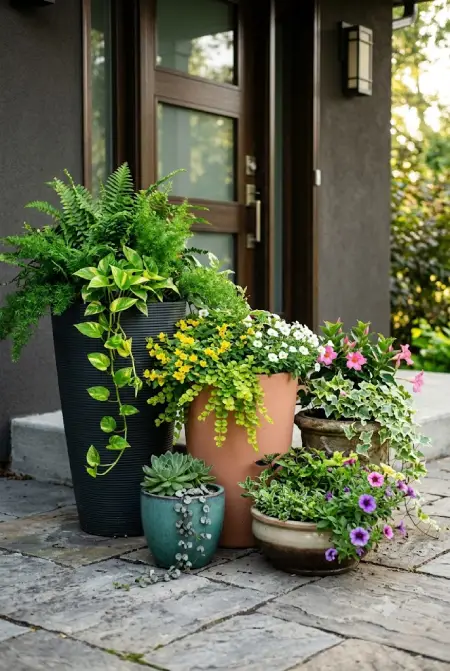
Skip landscape beds entirely. Group 3-5 large containers of varying heights near entryway. Fill with seasonal plants allowing easy updates. Containers sit on paved surface requiring no digging or ongoing bed maintenance.
Select containers in coordinating colors (black, grey, white, or terracotta). Vary heights creating visual interest. Plant with trailing flowers for softness. Move containers easily for seasonal changes. The flexibility is genuinely convenient.
🪨 5. Zen-Inspired Rock Garden Minimal Design

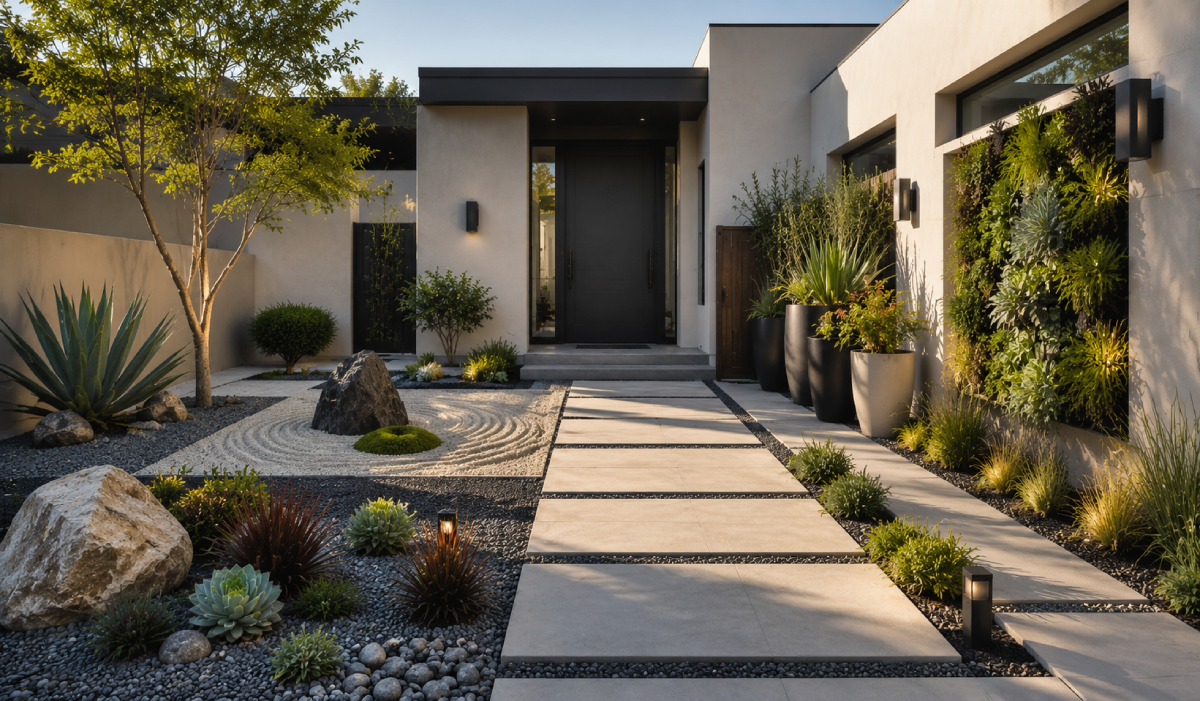
Create peaceful rock garden with carefully placed stones and minimal plantings. Rake patterns in gravel creating meditative aesthetic. Position single Japanese maple or bamboo (clumping variety). The zen philosophy embraces empty space.
Select rocks of varying sizes positioning thoughtfully. Rake simple patterns creating visual interest. Plant sparingly allowing rock and gravel to dominate. The empty space actually makes the composition feel larger and more peaceful.
🌿 6. Green Wall or Vertical Living Installation
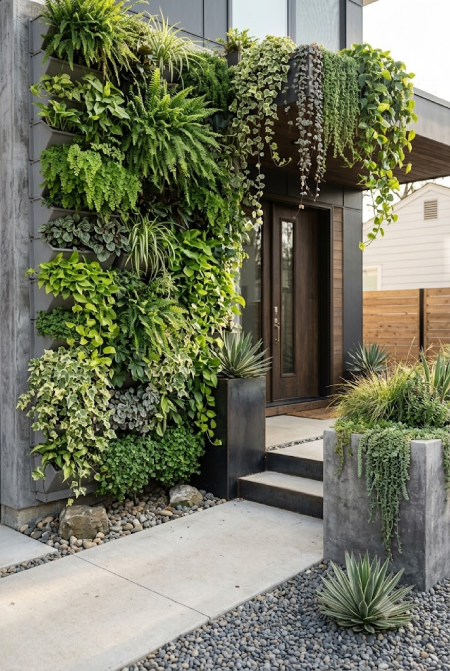
Mount living wall planters on entryway wall providing all greenery vertically. Eliminates ground space needs. Requires minimal water through drip irrigation. Modern, space-saving solution perfect for tiny yards.
Install vertical planter system on sunny wall. Connect drip irrigation ensuring consistent moisture. Plant trailing plants creating lush vertical greenery. The green wall provides visual impact without horizontal space requirements.
🌲 7. Minimalist Foundation Planting With 3-5 Plants
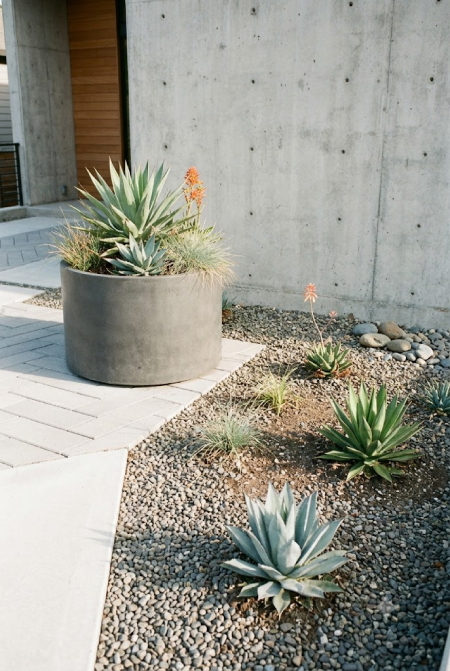
Plant exact minimal number of carefully chosen shrubs creating clean foundation planting. Boxwoods or dwarf conifers provide structure. Leave abundant empty space around plants. Spacing prevents overcrowding and creates intentional aesthetic.
Select 3 plant types maximum. Space according to mature size. Leave clear ground visible around plants. Minimal underplanting keeps design clean. The simplicity actually highlights individual plant beauty.
🏔️ 8. Boulders and Gravel With No Plants
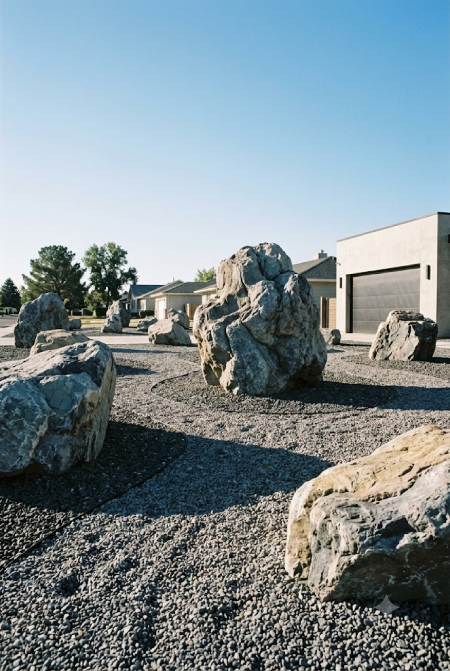
Create dramatic landscape using only large boulders, gravel, and hardscape. The sculptural rocks become focal points. This approach requires zero plant maintenance. Modern minimalist aesthetic emerges from simplicity.
Select boulders in complementary sizes and colors. Arrange thoughtfully creating visual balance. Spread quality gravel filling spaces. The boulders provide all visual interest. Maintenance-free approach is genuinely attractive.
🪴 9. Succulent Garden Minimal Design
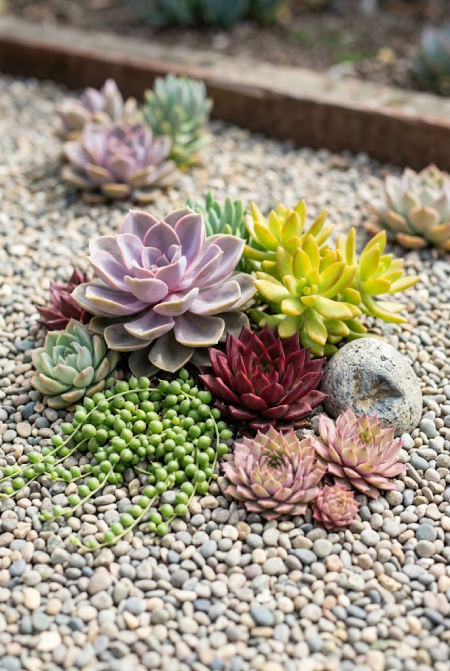
Plant hardy succulents requiring minimal water and care. Echeveria, sedums, and hens-and-chicks provide sculptural interest. Group in odd numbers (3, 5, 7). Add decorative gravel or mulch completing minimal aesthetic.
Select drought-tolerant succulents. Space according to mature size. Add mulch or gravel between plants. Water sparingly once established. The sculptural plants create visual interest without excessive maintenance.
🛤️ 10. Paved Pathway Leading To Entryway
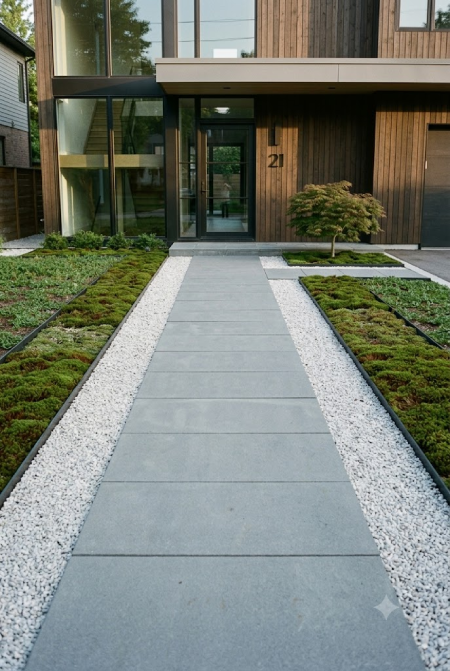
Create simple paved pathway from street to entryway eliminating side landscaping entirely. Stepping stones or linear pavers guide visitors. Minimal or no plantings flank pathway. Clean lines define the approach beautifully.
Lay straight or gently curved pathway in neutral paver colors. Leave flanking areas as gravel or hardscape. Position pathway as main focal point. The simplified approach creates sophistication through restraint.
🌀 11. Decorative Mulch or Bark Patterns
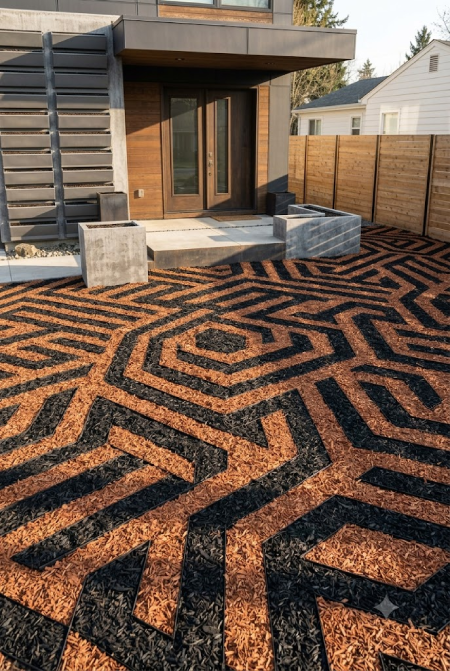
Create visual interest using colored mulch or bark arranged in geometric patterns. Grey, red, or brown mulch can form designs. No plants needed creating ultra-minimal, low-maintenance approach.
Choose quality mulch in one or two colors maximum. Arrange in simple geometric patterns (stripes, circles). Refresh annually as mulch decomposes. The patterned approach creates visual sophistication from simplicity.
🏡 12. Front Door Focus With Entryway Plantings Only
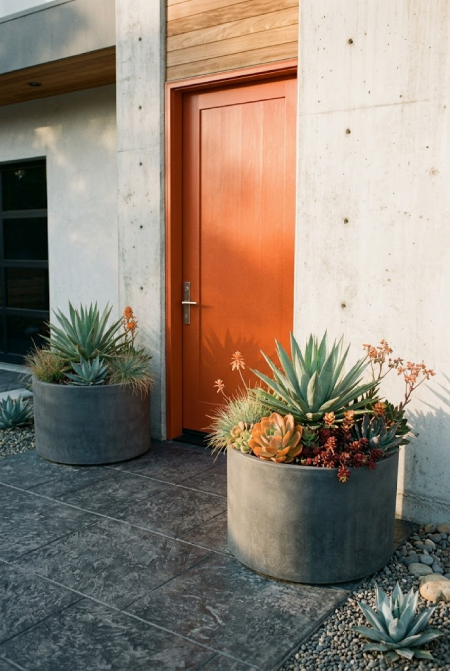
Concentrate all landscaping effort at entryway where visitors focus. Skip full yard landscaping. Plant abundant containers flanking door. Paint or decorate entryway creating focal point. Leave remaining yard minimal.
Position 3-5 coordinated containers flanking entryway. Paint door in complementary color. Add decorative house numbers or planter. Leave remaining yard as gravel or hardscape. The entryway becomes complete focal point.
🌾 13. Ornamental Grass and Stone Minimal Combination
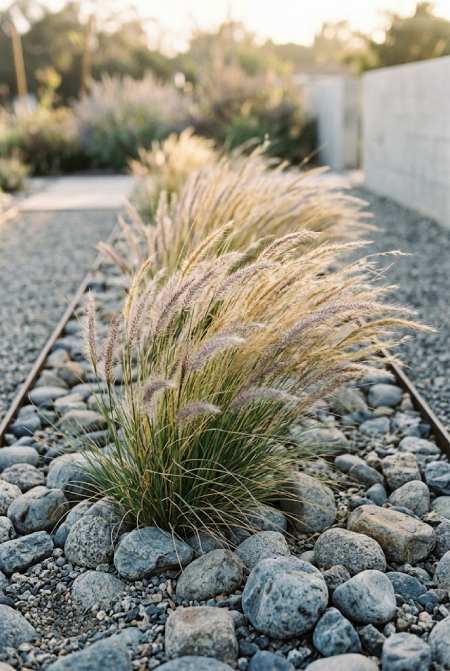
Combine just ornamental grasses with stone or gravel creating movement and visual interest. Blue fescue, fountain grass, or Japanese forest grass provide texture without maintenance. Minimal planting plan.
Select 1-2 grass varieties maximum. Plant in odd-numbered groups (3 or 5). Surround with gravel or stone. Grasses move in breeze creating dynamic visual effect. Minimal, sophisticated aesthetic emerges.
🏺 14. Architectural Planter As Sole Landscape Element
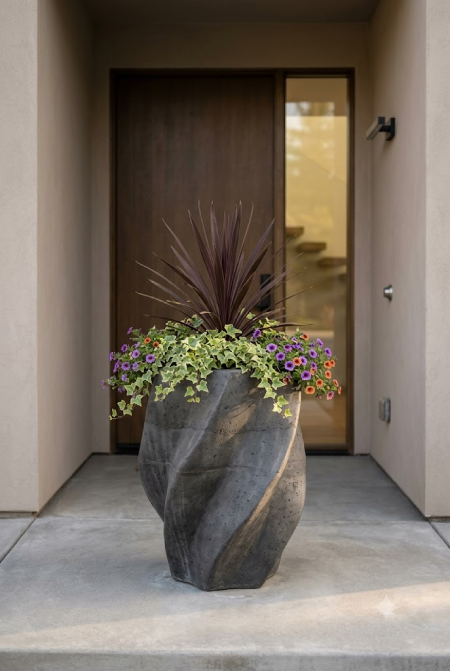
Select single large architectural planter (Italian urn, concrete cube, or sculptural form) as entire landscape design. Plant with seasonal color or foliage. Position at entryway or focal point. This approach requires virtually no maintenance.
Choose substantial planter making design statement. Position prominently. Update seasonal plantings monthly if desired. The planter becomes garden sculpture requiring no soil preparation or ongoing bed maintenance.
🌊 15. Water Feature As Sole Landscape Focal Point
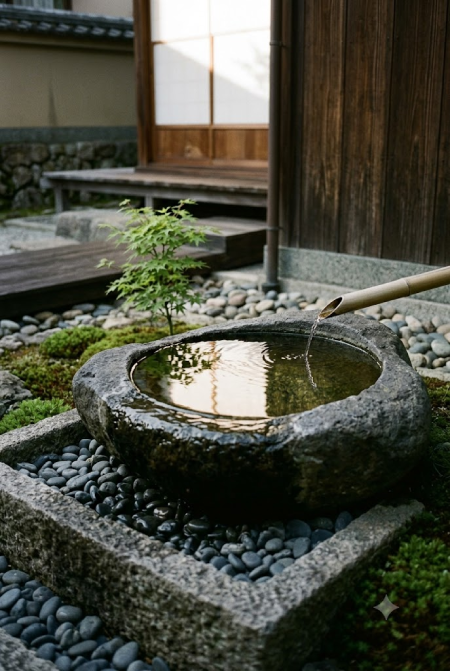
Install simple water feature (fountain, reflecting pool, or water basin) as entire landscape element. Minimal or no planting surrounding. Water creates sound, visual interest, and peaceful feeling requiring minimal maintenance.
Choose appropriately-sized water feature for space. Position centrally or as focal point. Surround with hardscape or minimal gravel. Maintenance focuses on water cleanliness rather than plant care. The minimalist approach creates sophisticated serenity.
🛠️ Quick Practical Guide
Minimal landscaping benefits:
- Dramatically reduced maintenance time
- Lower initial installation costs
- Cleaner, more organized appearance
- Modern, sophisticated aesthetic
- Easier to keep tidy and organized
- Perfect for small spaces and tiny yards
- Works beautifully with contemporary homes
Essential minimal landscaping materials:
- Quality mulch or bark (grey, red, or brown)
- Decorative gravel or stone
- Pavers or stepping stones
- Large boulders or architectural rocks
- Limited plant specimens
- Hardscape materials (concrete, brick)
- Quality containers
Plant selection for minimal landscaping:
- Choose plants providing year-round interest
- Select structural/architectural forms
- Prefer evergreens over deciduous
- Ornamental grasses provide movement
- Sculptural succulents offer drama
- Limit plant varieties to 3-5 maximum
- Select low-maintenance, disease-resistant options
Spacing guidelines for minimal design:
- Provide adequate mature space around plants
- Less crowding creates sophisticated appearance
- Spacing prevents disease and competition
- Reveals plant beauty individually
- Creates feeling of intentional design
- Allows walkways and movement
Maintenance reduction strategies:
- Choose drought-tolerant plants
- Install drip irrigation on timers
- Mulch thoroughly preventing weeds
- Hardscape eliminates mowing
- Fewer plants mean less pruning/deadheading
- Select disease-resistant varieties
- Group plants with similar water needs
Cost-saving minimal landscaping approach:
- Hardscape requires single-time investment
- Fewer plants reduce total plant costs
- Mulch and gravel are inexpensive
- Container gardening eliminates bed prep
- No irrigation system needed for many designs
- Rocks and stone are reusable permanent elements
- Total cost often less than complex gardens
Design principles for minimal spaces:
- Negative space is intentional design element
- Odd numbers (3, 5, 7) create visual balance
- Single focal point guides attention
- Geometric patterns add visual interest
- Restraint shows sophistication
- Repetition creates design cohesion
- Clean lines emphasize modern aesthetic
Small yard sizing:
- Under 100 sq ft — containers only or minimal hardscape
- 100-300 sq ft — single specimen tree + hardscape
- 300-500 sq ft — 3-5 plants + hardscape + gravel
- Over 500 sq ft — can accommodate modest planting areas
Hardscape options for minimal yards:
- Pavers — geometric, customizable patterns
- Gravel or bark — cost-effective, easy maintenance
- Concrete — clean, modern, durable
- Brick — classic, structured appearance
- Stone — natural look, varied tones
- Mulch patterns — colorful, geometric possibilities
Plant-free alternatives:
- Water features — serene, focal point
- Boulders and rocks — sculptural interest
- Decorative gravel — textural appeal
- Art installations — unique focal point
- Architectural lighting — night-time interest
- Hardscape patterns — geometric design
Seasonal minimal landscape updates:
- Spring — refresh mulch, update container plantings
- Summer — maintain water features, monitor gravel
- Fall — change container plantings, refresh color
- Winter — evergreens maintain interest, reduce watering
- Keep design fresh with seasonal container changes
Common minimal design mistakes to avoid:
- Overcrowding even minimal spaces
- Choosing plants too large for space
- Neglecting hardscape maintenance
- Ignoring soil quality under hardscape
- Planting more than plan calls for
- Forgetting about reflection and light
- Ignoring maintenance requirements even minimal designs
- Choosing plants unsuited to existing light/soil