
May is the absolute sweet spot for planting a productive garden
that yields fresh vegetables throughout summer and into early fall. The soil is finally warm, frost danger has passed in most zones, and you have the entire growing season ahead to cultivate healthy plants.
These 20 vegetables to plant in May are perfect for beginners who want reliable harvests without complicated care. From warm-season crops like tomatoes and peppers to cool-season vegetables that mature in fall, every vegetable here is genuinely easy to grow, adaptable to different garden sizes, and produces abundantly with minimal effort.
🍅 1. Tomatoes — The Garden Superstar
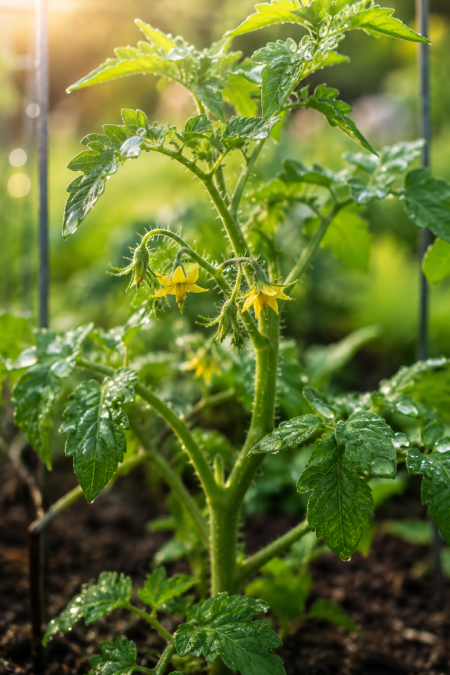
Tomato plants planted in May will establish strong roots and produce abundantly by mid-summer. Choose from determinate varieties for concentrated harvests or indeterminate varieties for continuous production throughout the season.
Start with varieties recommended for your zone to ensure they mature before fall frost. Stake or cage your plants and water consistently for the best results. Even first-time gardeners consistently succeed with tomatoes, making them one of the best vegetables to plant in May.
🌶️ 2. Bell Peppers — Sweet and Reliable
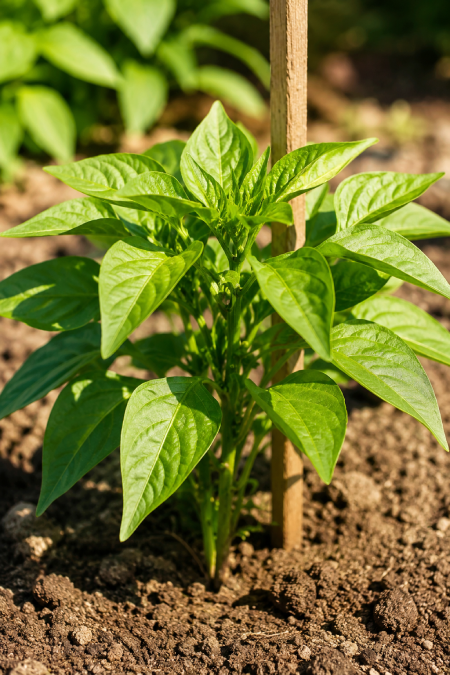
Bell pepper plants take slightly longer to produce than tomatoes, making May planting perfect for late summer harvests. The plants are genuinely heat-loving and thrive in warm soil, giving them ideal conditions if planted in May.
Start with starter plants rather than seeds for faster results. Both sweet bell peppers and decorative hot peppers are beginner-friendly and produce reliably in most zones.
🥒 3. Cucumber — Quick-Growing and Prolific

Cucumbers planted in May produce within weeks, making them one of the fastest vegetables to plant in May for quick harvests. The vines are vigorous, productive, and genuinely satisfying to watch grow.
Choose between bush varieties for container gardens or vining varieties for trellises. Both produce abundantly when given consistent water and warm soil. Cucumbers are genuinely forgiving plants, making them perfect for beginners.
🥫 4. Summer Squash — Abundant Producer
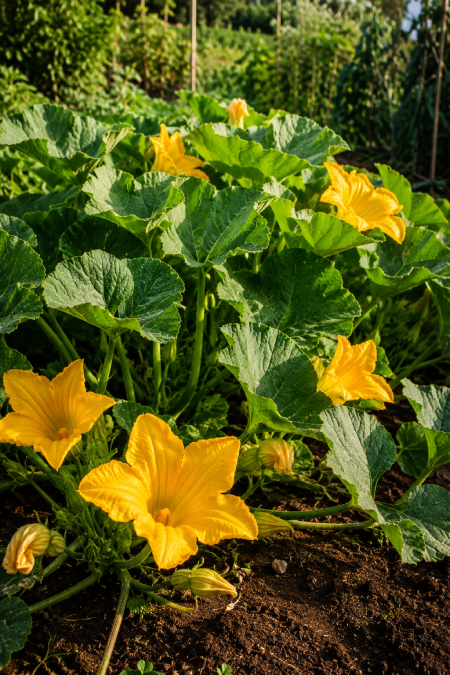
Summer squash planted in May is one of the most productive crops available, often yielding more vegetables than you know what to do with. The plants are vigorous and produce almost continuously throughout summer.
Plant zucchini, yellow squash, or pattypan varieties. Even one plant provides abundant harvests for a family. The ease of growing summer squash makes it one of the best vegetables for building gardening confidence.
🫘 5. Bush Beans — Nitrogen Fixing Helpers
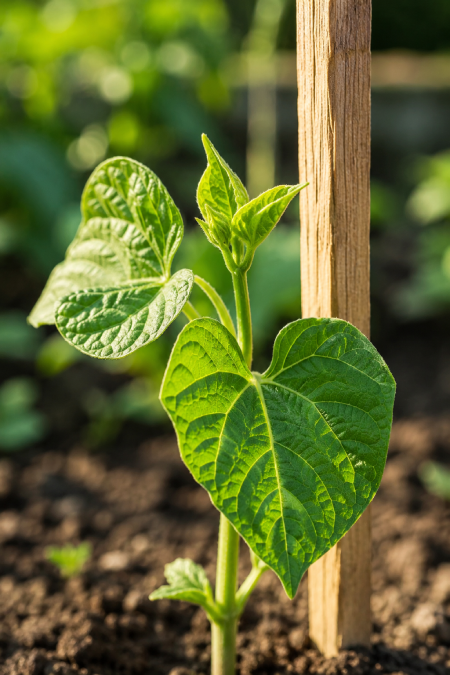
Bush beans planted in May mature in just 50-60 days, making them perfect for multiple succession plantings throughout the season. The plants also add nitrogen to soil naturally, improving garden health.
Start new plantings every 2-3 weeks for continuous harvests. Beans require minimal fertilizer and are genuinely forgiving for beginners. The reward of picking fresh beans regularly is incredibly satisfying.
🌽 6. Sweet Corn — Summer Favorite
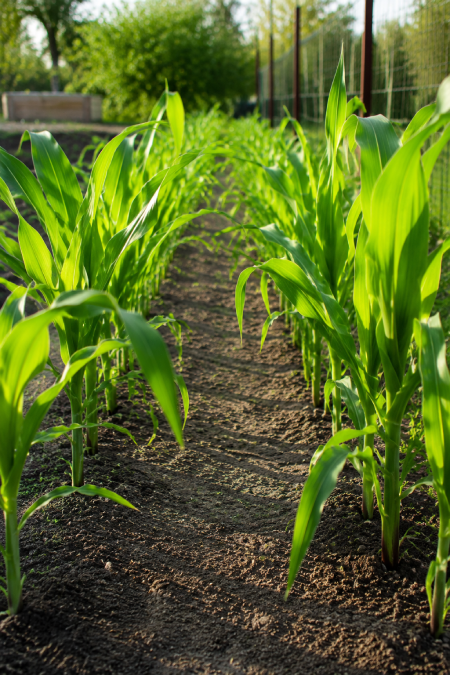
Sweet corn planted in May is ready to harvest in mid-to-late summer. Plant in blocks rather than rows for better pollination and fuller ears. The satisfaction of harvesting homegrown corn is genuinely unmatched.
Choose short-season varieties suited to your zone. Plant successively every 2-3 weeks for continuous harvest. Corn is fun to grow and kids especially love watching the plants grow tall.
🥬 7. Spinach for Fall Harvest — Cool Season Alternative
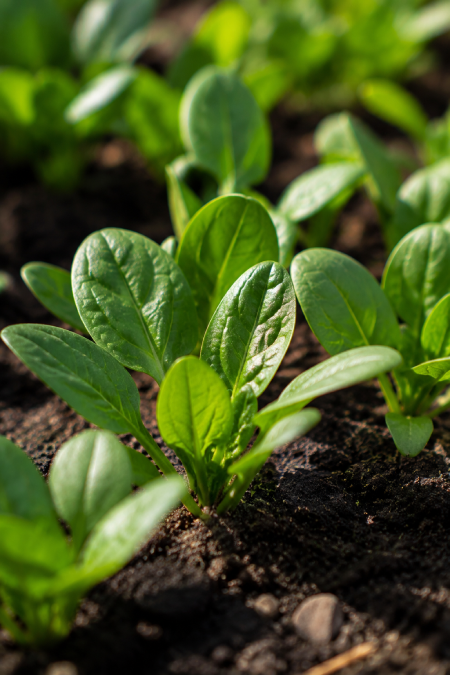
While spinach prefers cooler weather, planting in May allows it to grow through summer and mature during cooler fall weather. This succession approach extends your spinach season naturally.
Spinach is one of the most nutritious vegetables you can grow and incredibly easy. Fresh homegrown spinach tastes dramatically different from store-bought varieties.
🥕 8. Carrots — Root Vegetable Success
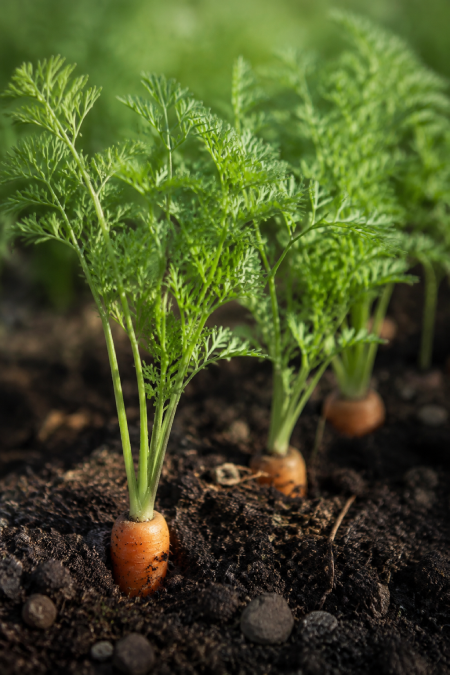
Carrots planted in May are ready to harvest in early fall when they are sweetest. The cool fall temperatures actually improve carrot flavor and sugar content naturally.
Carrots require patience but are genuinely rewarding when you pull up a perfectly formed, brightly colored root. Direct seed them and thin seedlings for best results. Homegrown carrots taste dramatically different from store varieties.
🌿 9. Basil — Kitchen Herb Essential
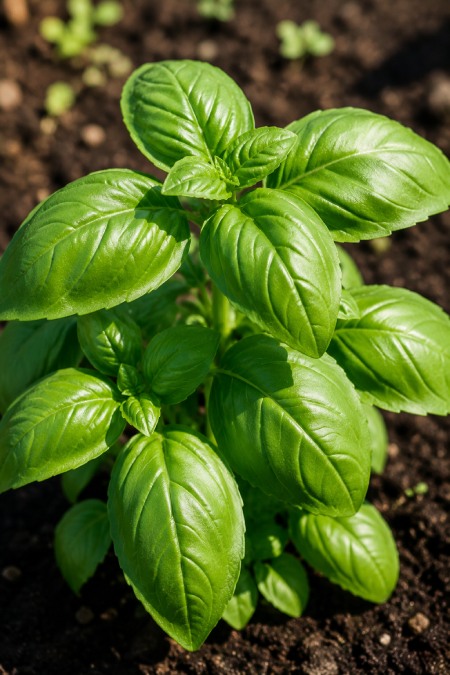
Basil planted in May grows vigorously through summer and into early fall. Fresh basil is one of the most satisfying herbs to grow and genuinely changes your cooking possibilities.
Pinch the tops regularly to encourage bushy growth and prevent flowering. Basil loves warmth and sun, making May planting perfect. One plant provides enough fresh basil for a family’s needs all season.
🧅 10. Onion Sets — Bulk Crop Success
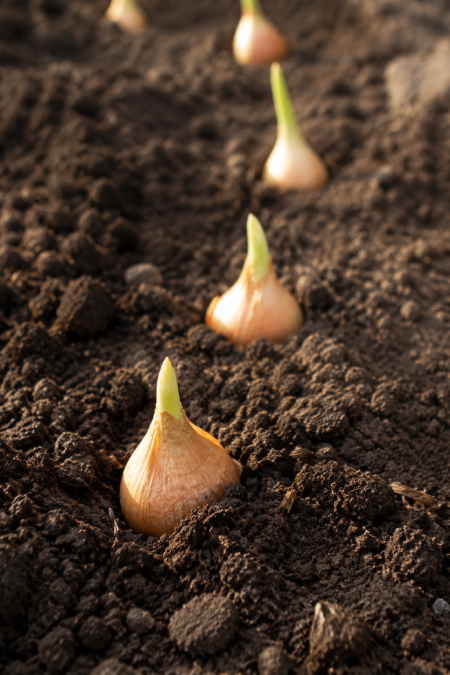
Onion sets planted in May develop into full-sized onions ready for harvest before fall frost. This is one of the easiest ways to grow a bulk crop for storage and winter cooking.
Push sets into loosened soil and water consistently. Onions require minimal care and improve with time. Homegrown onions keep for months with proper storage, providing fresh produce well into winter.
🍆 11. Eggplant — Beautiful Producer
Eggplant loves heat and grows vigorously when planted in May. The plants produce abundantly and the glossy purple or white fruit is genuinely beautiful in the garden.
Start with seedlings for guaranteed success. Eggplant requires warmth and consistent water but rewards gardeners with prolific harvests. The plants continue producing until first frost.
🥕 12. Radishes for Fall Harvest
Spring radishes are common, but fall radishes planted in May produce crisper, sweeter roots. The cooler fall weather creates ideal conditions for radish flavor development.
Direct seed them in successive plantings every 2-3 weeks. Radishes mature in just 25-30 days, making them rewarding for impatient gardeners. Fresh radishes are incomparably better than store-bought varieties.
🥦 13. Broccoli — Fall Crop Success
Broccoli planted in May matures in late summer or early fall when temperatures cool. The cooler conditions actually produce better broccoli with tighter, sweeter heads.
Start with seedlings and transplant into well-prepared soil. Each plant produces one main head and multiple side shoots if harvested correctly. Homegrown broccoli tastes dramatically better than store varieties.
🥬 14. Kale — Nutrient Dense Powerhouse
Kale planted in May grows through summer and becomes sweeter after fall frost. The cold actually improves kale flavor naturally. This is one of the most nutritious vegetables you can grow.
Kale is genuinely pest-resistant and cold-hardy, making it one of the easiest vegetables for less experienced gardeners. One plant provides abundant leafy greens all season.
🥔 15. Potatoes — Underground Success
Potato seed pieces planted in May produce ready-to-harvest potatoes in early fall. Growing potatoes is one of the most rewarding and surprising vegetable gardening experiences.
Use certified seed potatoes and hill them regularly as they grow. Potatoes require minimal care once established and improve soil structure naturally. There is nothing more exciting than “harvesting” your potato crop.
🍅 16. Cherry Tomatoes — Prolific Small Fruits
Cherry tomato varieties planted in May produce continuously and heavily. The small fruits are easier to manage than large beefsteak varieties and perfect for fresh eating directly from the vine.
Cherry tomatoes are genuinely forgiving and prolific. Even one plant provides abundant harvests for snacking throughout summer. The taste is incomparably better than store-bought varieties.
🥒 17. Pickling Cucumbers — Specialty Variety
Pickling cucumber varieties are shorter and stubbier than slicing cucumbers, making them perfect for canning and pickling projects. Planted in May, they produce abundantly by late summer when pickling season peaks.
The plants are vigorous and productive. Fresh homemade pickles are one of the most rewarding preservation projects for beginning gardeners. The satisfaction is genuinely unmatched.
🌶️ 18. Hot Peppers — Heat Lover
Hot pepper varieties planted in May thrive in warm soil and produce abundantly by late summer. Whether you prefer jalapeños, serranos, or Thai varieties, May planting timing is perfect.
Hot peppers are generally less prone to disease than bell peppers and incredibly prolific. One plant provides enough hot peppers for salsa-making or preserving.
🥗 19. Lettuce Succession Planting
Lettuce planted in May establishes quickly and provides harvests before midsummer heat slows growth. Plant successive crops every 2-3 weeks for continuous fresh salads all season into fall.
Lettuce is genuinely easy to grow and forgiving for beginners. Homegrown lettuces are incomparably more tender and flavorful than store varieties. Container growing works perfectly for lettuce.
🌿 20. Peas for Summer — Heat-Resistant Varieties
Sugar snap and snow pea varieties planted in May can produce through summer if provided shade during peak heat. These sweet peas are perfect for snacking directly from the vine.
Peas fix nitrogen naturally, improving soil health. The plants are genuinely fun to grow and kids love harvesting sweet peas to eat immediately. Most people eat peas faster than they can grow them.
🛠️ Quick Practical Guide
Best vegetables to plant in May by zone:
- Zone 5-6 — all warm season crops after last frost date
- Zone 7-8 — optimal for most vegetables, longer growing season
- Zone 9+ — plant heat-lovers and succession crop cool-season varieties
- Check your specific frost date before planting
Vegetables ready to harvest by end of summer:
- Tomatoes — 60-85 days to first harvest
- Peppers — 60-90 days to first harvest
- Cucumbers — 50-70 days to first harvest
- Squash/zucchini — 50-65 days to first harvest
- Beans — 50-60 days to first harvest
- Corn — 70-90 days to maturity
- Carrots — 60-80 days to harvest
- Broccoli — 50-100 days depending on variety
Container growing options for May plantings:
- Tomatoes — need 5-gallon containers minimum
- Peppers — work well in 3-5 gallon containers
- Cucumbers — can vine over containers
- Squash — need large containers (10+ gallons)
- Beans — work in 5-gallon containers
- Lettuce — perfect for shallow containers
- Herbs — thrive in small containers
- Carrots — need depth, at least 12 inches
May planting preparation checklist:
- Test soil temperature — should be at least 60°F for warm-season crops
- Amend soil with compost or aged manure
- Harden off seedlings if starting indoors
- Install supports (stakes, cages, trellises) at planting time
- Plan succession plantings for continuous harvest
- Set up watering system for consistency
Water and care requirements for May plantings:
- Water deeply and consistently — containers need daily watering
- Mulch around plants to retain moisture
- Fertilize every 2-4 weeks with balanced fertilizer
- Pinch tomato suckers for better production
- Thin seedlings for proper spacing and airflow
- Monitor for pests weekly
Biggest beginner mistakes with May plantings:
- Planting too early before soil warms — seeds will rot
- Overcrowding plants — leads to disease and poor production
- Inconsistent watering — causes problems like blossom end rot
- Not installing supports — plants fall over or become unmanageable
- Ignoring pests — weekly monitoring prevents major problems
- Not harvesting regularly — encourages continued production
Succession planting schedule (May through August):
- May 1 — plant all warm-season crops
- May 15 — plant first succession of beans, corn, squash
- June 1 — plant second succession of beans, squash
- June 15 — plant fall crops (broccoli, kale, carrots)
- July 1 — final bean and squash plantings
- July 15 — final fall crop plantings