
Starting a vegetable garden intimidates many beginners. Raised beds eliminate most obstacles. They provide better drainage, warmer soil, fewer weeds, and easier accessibility. Beginners genuinely succeed with raised beds where ground planting creates constant frustration.
These 25 beginner-friendly raised vegetable garden ideas show you exactly how to create productive, organized gardens. Each idea includes practical execution guidance and cost information. You will learn layout strategies maximizing space. You will understand plant selection for guaranteed success. Most importantly, you will create a thriving garden that produces abundant vegetables while remaining manageable.
📐 1. Classic 4×8 Bed Layout — The Proven Beginner Standard
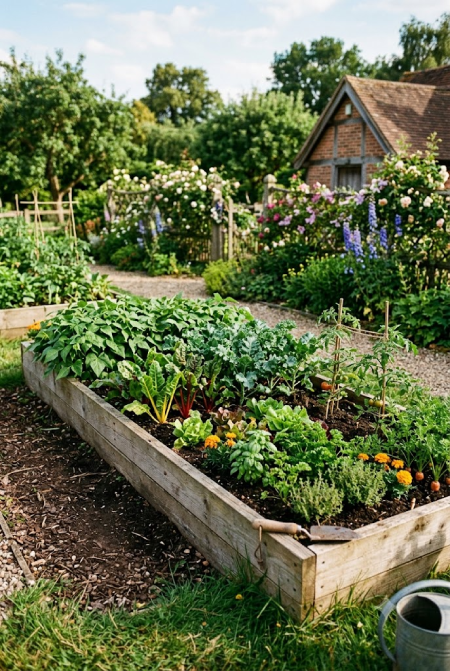
The 4-foot by 8-foot raised bed is industry standard for good reason. Four feet wide allows reaching center from either side without stepping on soil. Eight feet long provides productive space without overwhelming beginners. Perfect size fitting most yard configurations.
Build frame using untreated cedar (lasts 10+ years) or composite materials. Depth 12 inches accommodates most vegetables. Cost approximately $50-100 per bed. This single bed produces substantial vegetables for small family. Fills with approximately 30 cubic feet soil.
🎯 2. Three-Bed Beginner System — Manageable Starting Point
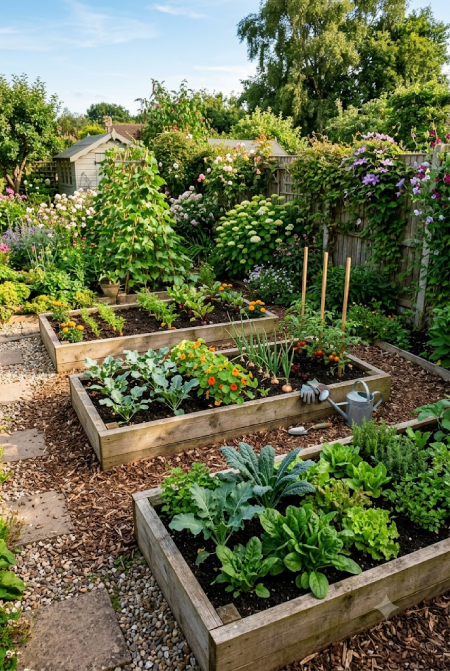
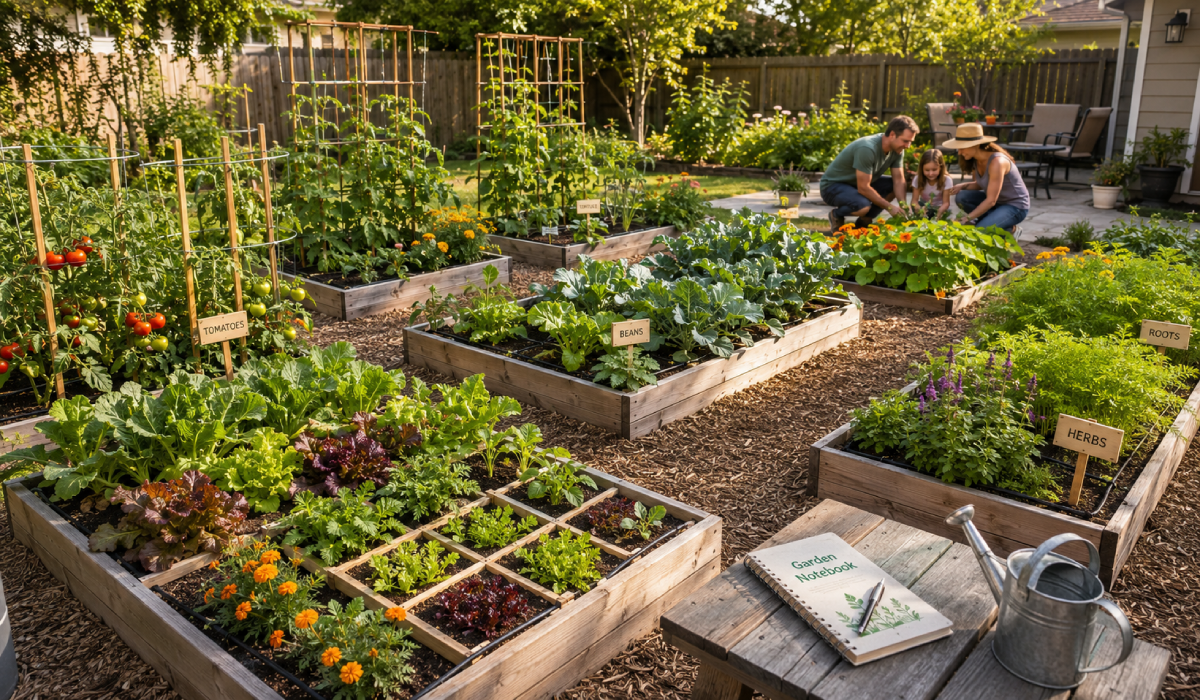
Three beds provide perfect beginner starting point. One bed for leafy greens (lettuce, spinach, arugula). One bed for tomatoes/peppers. One bed for root vegetables (carrots, beets, radishes). System teaches plant categories without overwhelming complexity.
Arrange in row or L-shape. Leave 24-30 inches between beds allowing comfortable navigation. Total investment $150-300. First season teaches lessons for expansion. Perfect size for family maintaining 1-2 hours weekly.
🏠 3. Front Yard Vegetable Garden — Combining Beauty With Productivity
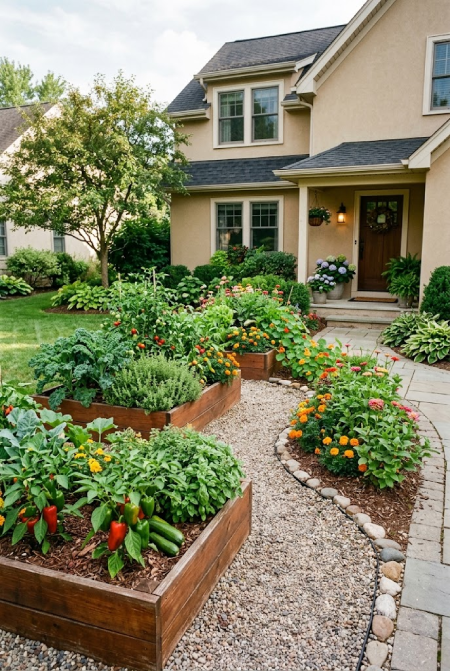
Front yard raised beds create attractive curb appeal while producing food. Aesthetic design shows intentionality. Beautiful plants (basil, colorful peppers, cherry tomatoes) look ornamental. Visible gardening inspires neighbors.
Design with attractive edging, neat pathways, colorful plants. Ensure 6-8 hours sunlight. Elevate to eye-level if desired. Front location encourages consistent maintenance. Community engagement often increases.
🌞 4. Sunlight Assessment System — Optimizing Plant Placement
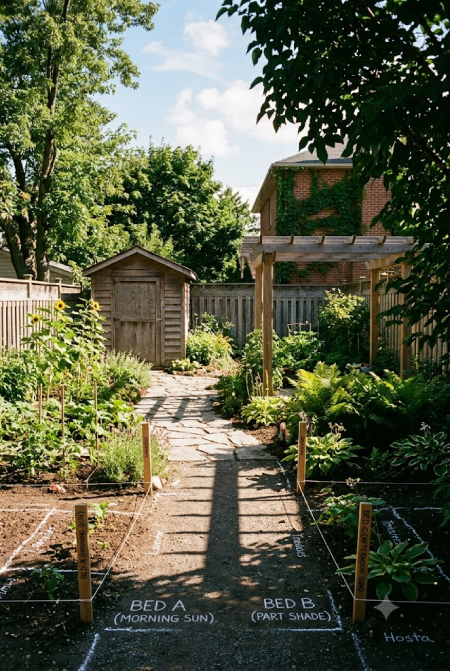
Spend entire day mapping sunlight patterns across yard. Mark sunny areas (6-8+ hours), partial shade (3-6 hours), full shade (2 hours or less). Different vegetables need different light. Strategic placement maximizes success.
Sun-lovers (tomatoes, peppers, cucumbers) = full sun. Tolerant (lettuce, kale, herbs) = part shade. Shade-tolerant (spinach, arugula) = can handle 4 hours. Correct placement prevents failures saving time and frustration.
🛒 5. Budget Raised Bed Construction — Starting For Under $100
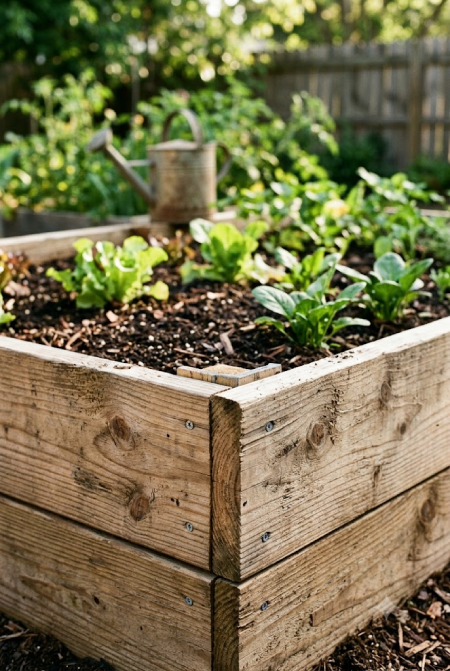
Use inexpensive materials reducing costs dramatically. Untreated cedar boards cost less than composite. Reclaimed wood (free salvage) works perfectly. Cinder blocks stacked create instant beds (free-$20). Corrugated metal roofing creates tall beds economically.
Budget option: 4x8x12″ bed using pine boards = $40-60. Fill with garden soil mixture = $30-50. Starter plants = $20-30. Total first bed approximately $100-150. Expandable annually as budget allows.
🌱 6. Square Foot Gardening System — Removing Planting Guesswork
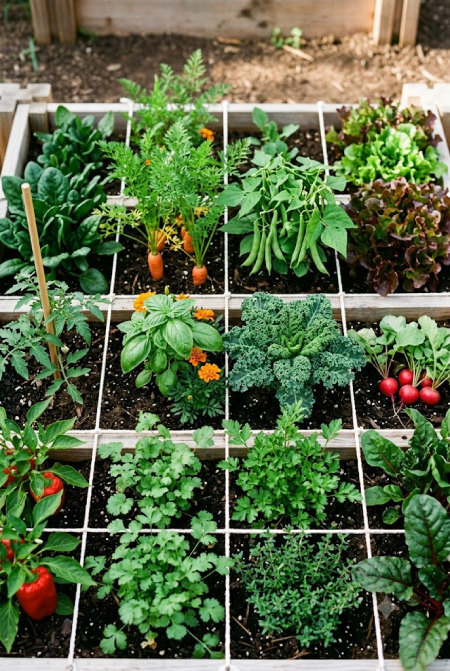
Divide bed into one-foot squares using string grid. Each square holds specific plant quantity based on size. One square = 1 tomato, 4 lettuce plants, 9 beets, 16 radishes. System removes spacing confusion.
Create simple grid using fishing line and stakes. Plan before planting using square foot gardening charts. Perfect beginner approach ensuring correct spacing preventing overcrowding and failures.
🥬 7. Leafy Greens Specialty Bed — Quick Wins Building Confidence
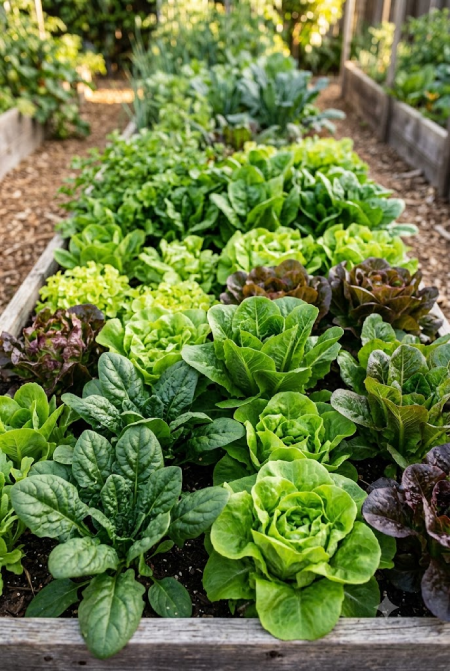
Dedicate one bed exclusively to leafy greens (lettuce, spinach, arugula, kale). These grow quickly (3-6 weeks), tolerate partial shade, require minimal maintenance. Harvesting leaves gradually extends production.
Plant succession crops planting new seeds every 2-3 weeks for continuous harvest. Single bed produces salads 3-4 months. Quick success builds confidence encouraging expansion. Beginner-proof crop selection.
🍅 8. Dedicated Tomato Bed — Single Crop Excellence
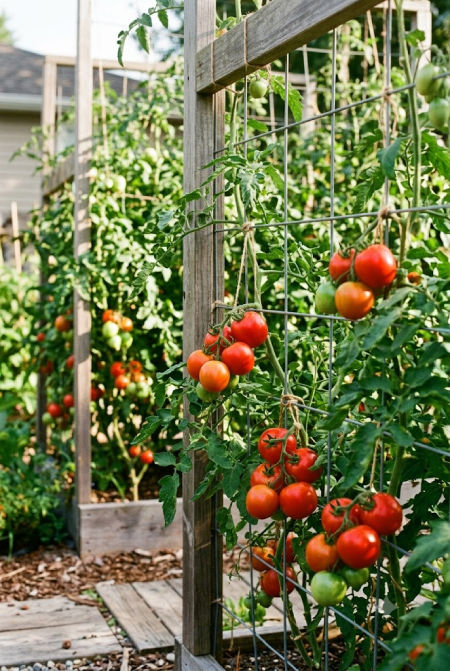
Tomatoes deserve dedicated bed preventing overcrowding and shading issues. Two-three plants per 4×8 bed. Requires cage or trellis support. Space allows for adequate air circulation preventing disease.
Cherry tomatoes produce abundantly with minimal effort. Indeterminate varieties grow continuously. Determinate varieties finish in timeframe. Choose variety matching needs. One bed produces 15-20 pounds tomatoes season.
🌿 9. Herb Garden Raised Bed — Convenient Kitchen Harvesting
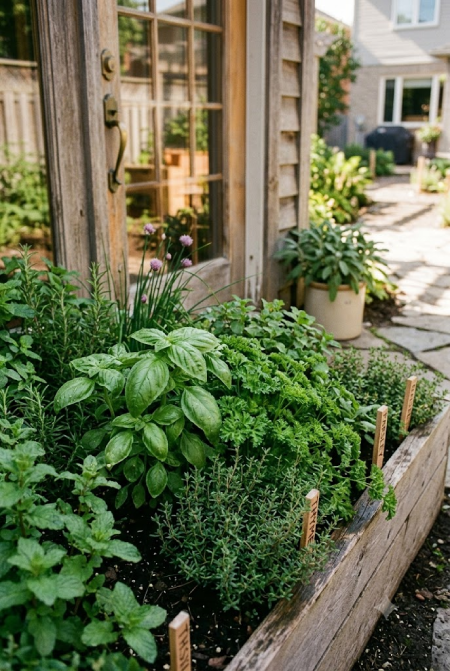
Dedicated herb bed positioned near kitchen door for easy access during cooking. Basil, parsley, thyme, chives, oregano thrive in raised beds. Single bed holds 8-10 herb plants comfortably. Year-round harvesting possible with protection.
Herbs require minimal maintenance and water. Perennial herbs return annually. Edible flowers (calendula, borage) provide dual-purpose beauty and food. Proximity to kitchen encourages frequent use.
🥕 10. Root Vegetable Bed — Deeper Soil Understanding
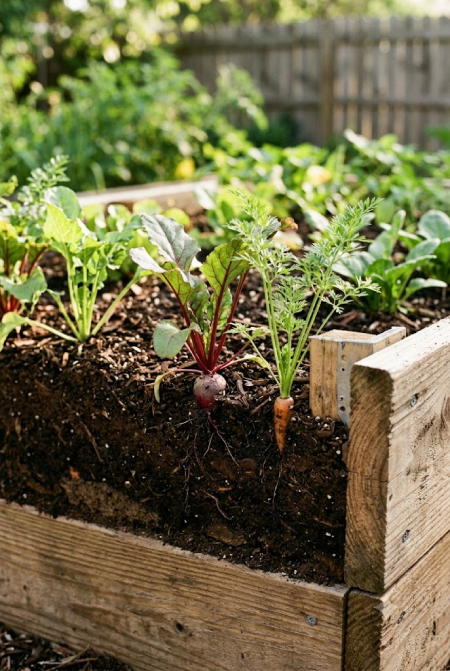
Root vegetables (carrots, beets, radishes, parsnips) need deeper beds. Carrot depth 8-10 inches. Beet depth 8-12 inches. Parsnip depth 12+ inches. Deeper beds (14-18 inches) accommodate multiple root crops comfortably.
Root vegetables store well reducing waste. Single carrot planting provides months of harvest. Sequential planting provides continuous supply. Beginner-friendly requiring minimal maintenance after establishment.
🚶 11. Comfortable Pathway Planning — Protection And Access
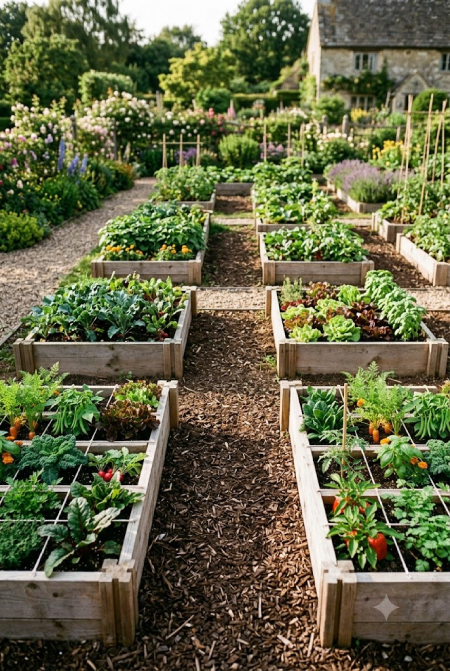
Pathways between beds prevent soil compaction killing beneficial structure. 24-30 inch spacing allows comfortable navigation. Kneeling, cart movement, and harvesting access. Protect pathways with mulch, gravel, or landscape fabric.
Mulch-covered pathways suppress weeds and look neat. Gravel provides drainage preventing mud. Landscape fabric creates clean appearance preventing weeds. Pathway investment improves garden longevity.
🥒 12. Vertical Growing System — Maximizing Limited Space
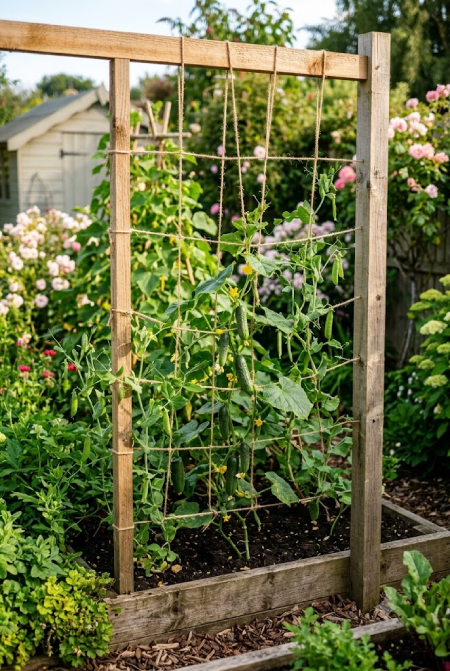
Vertical trellises for cucumbers, peas, beans, tomatoes save significant ground space. Climbing varieties train upward. Square-foot bed space accommodates 2-3 vertical crops. Vertical growth prevents sprawling.
Install trellis at bed’s back creating visual interest. Vertical growth improves air circulation preventing disease. Harvesting improves with visibility. Beginner-friendly technique multiplying productivity.
🌍 13. Soil Quality Foundation — The Garden’s Most Important Element
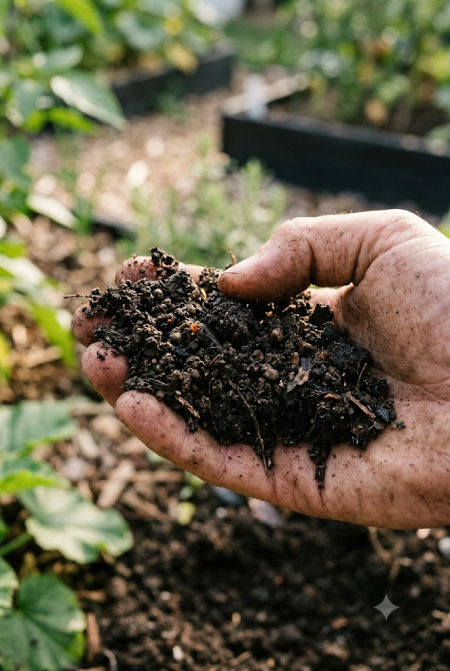
Excellent soil drives garden success. Mix quality potting soil, compost, peat moss or coconut coir. Ratio 40% compost, 40% garden soil, 20% peat/coir creates ideal growing medium. Crumbly texture shows quality.
High-quality soil investment pays dividends through season. Plants thrive in enriched soil. Reduced pest and disease pressure. Better water retention. Initial soil cost ($30-50 per bed) saves frustration.
🔄 14. Seasonal Compost Addition — Continuous Soil Improvement
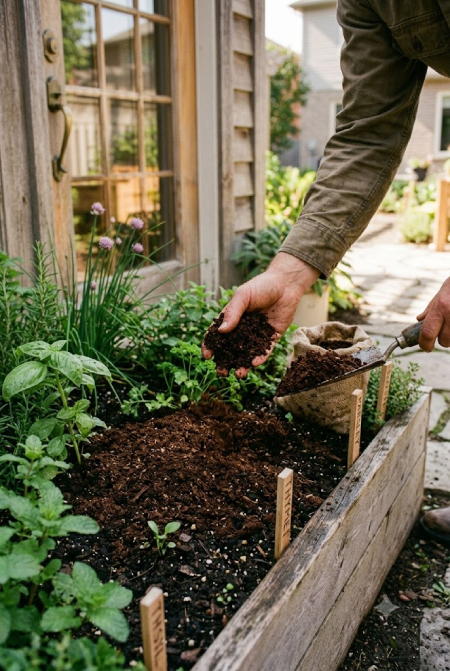
Add 1-2 inches fresh compost each season replenishing nutrients. Plants deplete soil annually through growth. Compost addition slowly releases nutrients. Structure improvement continues annually. Simple ritual maintaining productivity.
Spring compost addition before planting. Fall addition after harvest. Annual compost maintenance ensures declining productivity never occurs. Investment protects long-term bed health.
🔁 15. Crop Rotation System — Preventing Pest And Nutrient Problems
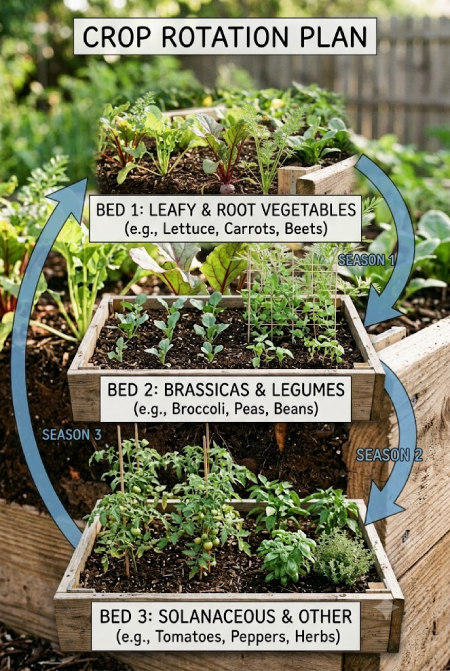
Rotate plant families between beds annually. Tomato family (tomatoes, peppers, eggplant) uses specific nutrients. Moving beds prevents accumulation. Different families attract different pests. Rotation reduces both problems.
Simple three-bed system: Bed 1 (tomatoes) → Bed 2 next year. Bed 2 (lettuce) → Bed 3. Bed 3 (root vegetables) → Bed 1. Repeat pattern prevents pest buildup and nutrient depletion naturally.
🌸 16. Companion Planting Combinations — Mutually Beneficial Growing
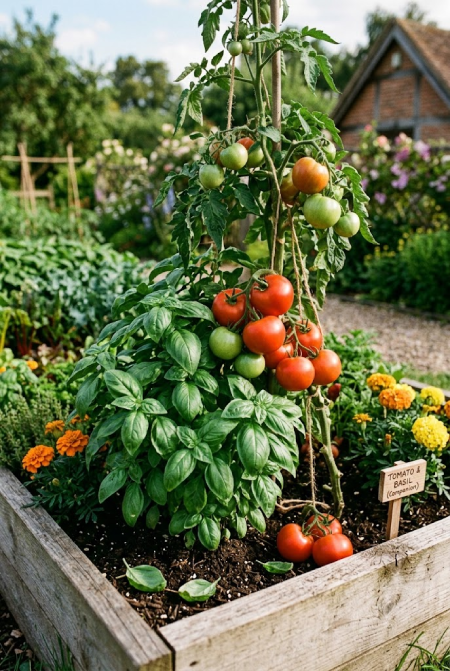
Plant pairs naturally support each other. Tomatoes + basil: Basil repels pests, improves tomato flavor. Carrots + onions: Onion scent confuses carrot flies. Cucumbers + nasturtiums: Nasturtiums lure pests away. Combination strategy reduces pest pressure naturally.
Design beds incorporating companions. Taller plants shade sensitive ones. Root crops and leafy greens share space. Diversity creates resilience. Beginner-friendly pest management alternative to chemicals.
🎯 17. Succession Planting Strategy — Continuous Harvest Extended Season
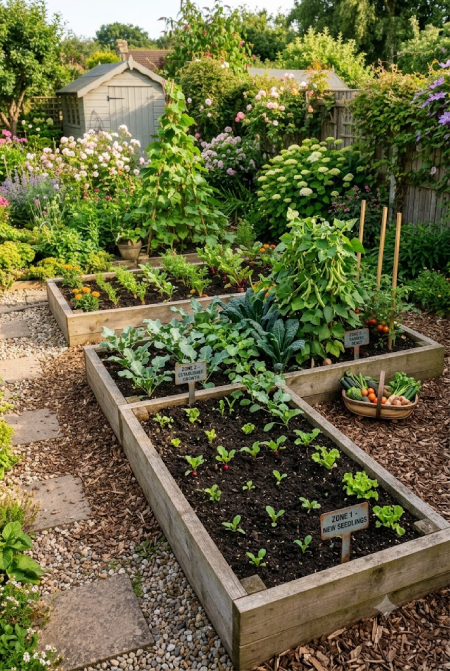
Plant new crops every 2-3 weeks providing continuous supply rather than one large harvest. Lettuce succession every 2 weeks = salads 3+ months. Bean succession extends harvest 2 months. Timing adjustments prevent supply gaps.
Plan planting schedule marking seed dates. Account for maturity timeline. Plant before previous crop ends. Continuous supply requires planning but maintains productivity.
🐛 18. Pest Management Through Prevention — Beginner-Friendly Solutions
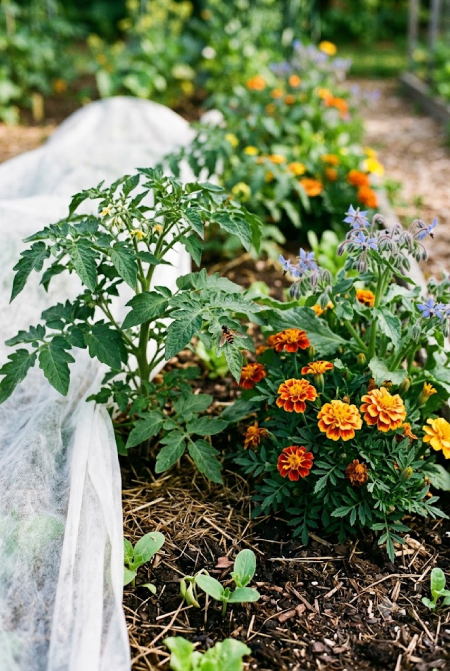
Healthy plants resist pests. Proper spacing prevents disease. Diverse plantings support beneficial insects. Row covers protect seedlings initially. Companion flowers (marigolds, nasturtiums) redirect pests. Natural prevention beats chemical treatment.
Regular inspection catches problems early. Hand-removing large pests works. Organic neem oil for persistent problems. Water at soil level preventing disease. Prevention mindset succeeds better than crisis management.
💧 19. Watering System Setup — Consistent Moisture Without Guessing
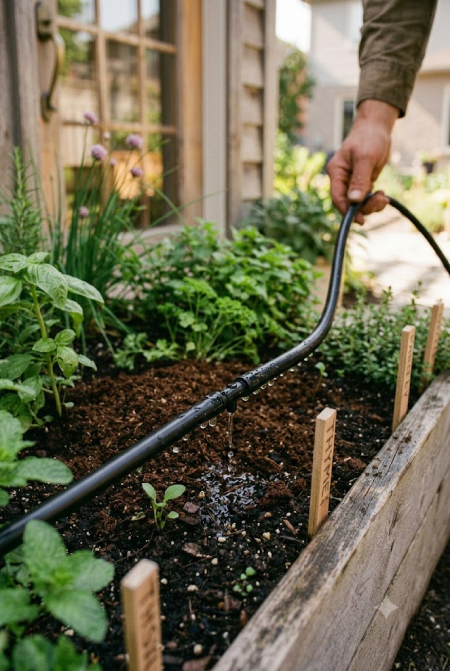
Drip irrigation simplifies watering dramatically. Slow, consistent moisture reaches roots. Leaf foliage stays dry reducing disease. Soaker hoses cost $15-30 and provide years of service. Timer addition automates watering.
Beginner mistake: Inconsistent watering. Drip systems provide consistent moisture. Soil depth indication: Soil finger test 1-2 inches down. Moist = adequate. Dry = needs water. Consistent practice develops intuition.
🏷️ 20. Plant Labeling System — Preventing Confusion And Learning
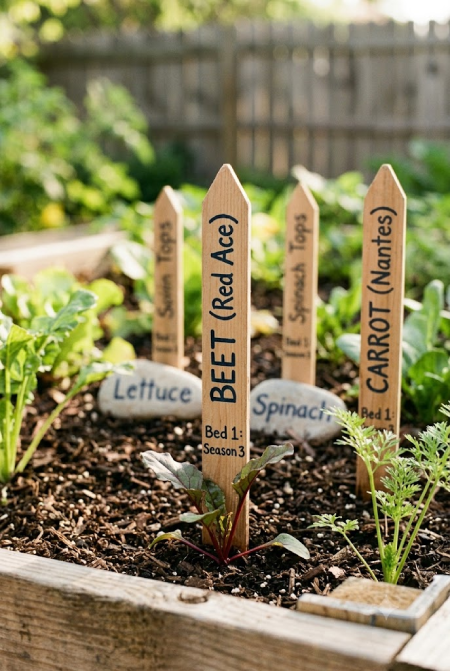
Label every section with plant name and planting date. Wooden stakes, painted rocks, or metal labels prevent confusion. Seedlings look identical initially. Labels enable tracking growth and harvest timing.
Labeling discipline teaches plant identification. Tracking dates creates learning documentation. Shows family members what grows where. Simple practice preventing embarrassing identity confusion later.
📓 21. Garden Notebook Documentation — Learning Year To Year
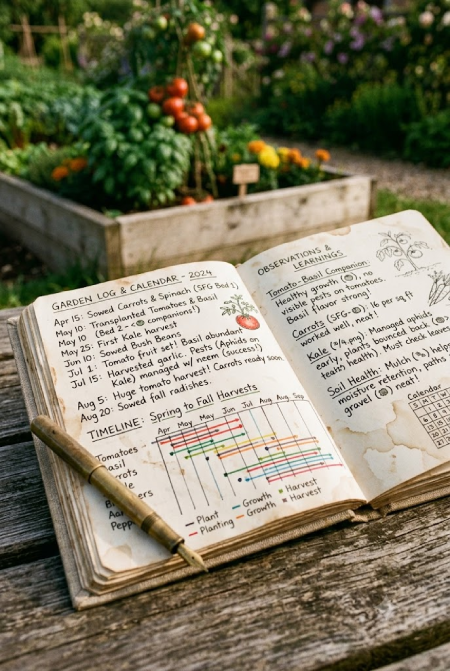
Record planting dates, varieties chosen, harvest dates, yields, and observations. What performed well? What struggled? Disease or pest problems? Weather notes. Over seasons, patterns emerge enabling better planning.
Simple notebook costs nothing. Smartphone notes work equally. Dated photos track progress. This documentation becomes invaluable reference. Future seasons improve through documented lessons.
🌱 22. Seed Starting Indoors — Getting Head Start Before Season
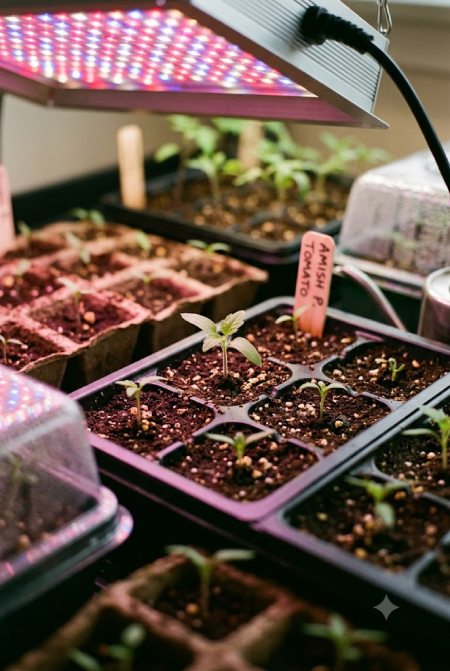
Start seeds indoors 6-8 weeks before outdoor planting date. Tomatoes, peppers, eggplant need indoor start. Leafy greens direct seed outdoors after frost. Indoor growing extends season significantly.
Simple window seedling setup. Grow lights cost $30-50. Heat mat ($20-30) improves germination. Transplanting outdoors after hardening-off hardens plants for outdoor conditions. Indoor starts provide control reducing beginner failures.
🎯 23. Hardening Off Process — Acclimating Seedlings For Outdoors
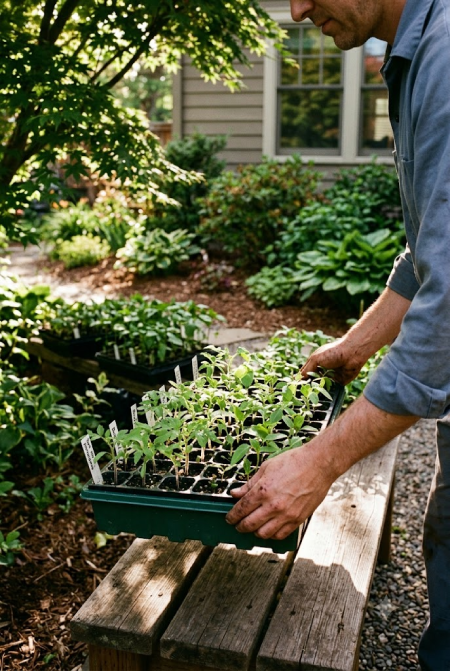
Seedlings started indoors are fragile. Gradually introduce outdoor conditions. Day 1-2: Shade for 1-2 hours. Day 3-4: Dappled sun for 2-3 hours. Day 5-6: Morning sun for 3-4 hours. Day 7: Full conditions. Transition prevents shock killing plants.
Protect from wind initially. Water before moving. Bring inside if frost threatens. Gradual toughening ensures transplant success. Rushed transition kills seedlings.
🥬 24. Quick-Win Crop Selection — Building Confidence First Season
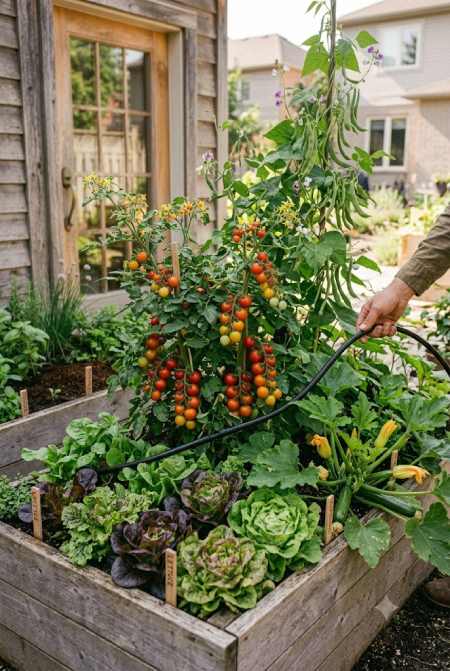
Choose easiest crops ensuring first-season success. Lettuce, spinach, radishes, beans, cherry tomatoes, zucchini guarantee success. Difficult crops (artichoke, asparagus) wait for experience. Success builds confidence.
Mix reliable crops with experiment crops. 70% proven successes, 30% new challenges. First season focus on learning not pushing limits. Confidence compounds making advanced techniques easier.
📈 25. Expansion Planning — Growing Your Garden Gradually
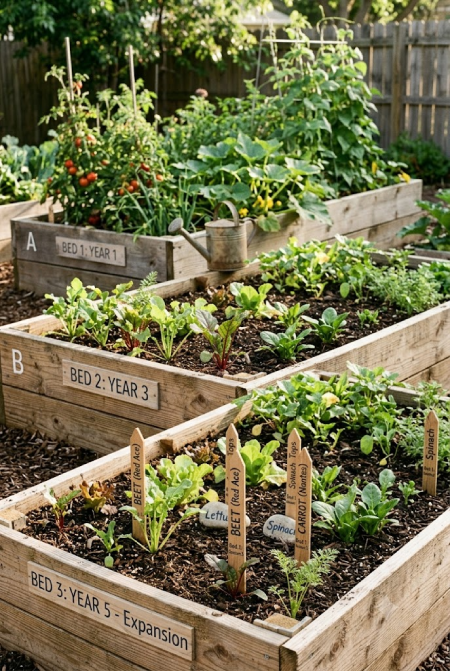
Start small, expand annually prevents overwhelm. One 4×8 bed year one. Add second bed year two. Third bed year three. Gradual expansion maintains manageable workload while growing production.
Annual expansion allows learning applications. Each bed teaches lessons. Money invested gradually spreads cost. Confidence compounds encouraging bigger dreams. Slow growth sustains long-term enthusiasm preventing burnout.
🛠️ Quick Practical Guide
First season timeline:
- Early spring (6-8 weeks before frost): Start seeds indoors
- Spring (last frost date): Harden off seedlings, direct seed cool crops
- Late spring: Transplant warm-season crops
- Summer: Consistent maintenance, succession planting
- Late summer: Plan fall crops, expand for next year
- Fall: Cool-season crops, harvest summer crops
- Winter: Plan next season, soil improvement
Bed construction materials comparison:
Cedar (Untreated):
- Cost: $50-100 per bed
- Lifespan: 10-15 years
- Advantages: Attractive, durable, naturally rot-resistant
- Disadvantages: Most expensive option
Composite materials:
- Cost: $80-150 per bed
- Lifespan: 20+ years
- Advantages: Extremely durable, low maintenance
- Disadvantages: Higher initial cost
Reclaimed wood:
- Cost: Free-$30 per bed
- Lifespan: 5-10 years
- Advantages: Affordable, environmentally friendly
- Disadvantages: Unknown history, possible toxins
Cinder blocks:
- Cost: $20-40 per bed
- Lifespan: 20+ years
- Advantages: Cheap, quick assembly
- Disadvantages: Less attractive, concrete concerns
Corrugated metal:
- Cost: $30-60 per bed
- Lifespan: 15+ years
- Advantages: Durability, space efficiency
- Disadvantages: Heating in sun, metal smell initially
Soil mixture recipe:
- 40% high-quality compost
- 40% garden soil or topsoil
- 20% peat moss or coconut coir
- Ratio creates excellent drainage and moisture retention
Best beginner crop selection:
Ultra-easy (90% success rate):
- Lettuce, spinach, arugula
- Cherry tomatoes
- Zucchini, summer squash
- Beans (bush and pole)
- Radishes
- Swiss chard
Easy (75% success rate):
- Peppers (need heat)
- Cucumbers
- Carrots
- Herbs (basil, parsley, thyme)
- Onions
- Beets
Moderate (50% success rate):
- Broccoli, cabbage
- Eggplant
- Potatoes
- Peas
- Asparagus
Avoid first season:
- Artichokes
- Cauliflower
- Watermelons
- Cantaloupes
Companion planting chart:
| Main Crop | Best Companions | Spacing |
|---|---|---|
| Tomatoes | Basil, parsley, marigolds | 18-24″ apart |
| Peppers | Basil, spinach | 18-24″ apart |
| Lettuce | Radishes, carrots, strawberries | 6-8″ apart |
| Carrots | Onions, chives, lettuce | 2-3″ apart |
| Beans | Corn, cucumbers, radishes | 4-6″ apart |
| Cucumbers | Nasturtiums, dill, radishes | 12-18″ apart |
| Zucchini | Nasturtiums, beans, marigolds | 36″+ apart |
| Herbs | Most vegetables | 12-18″ apart |
Watering guidelines:
- Morning watering preferred (disease prevention)
- Soil moisture 1-2 inches down should be moist
- Drip irrigation provides consistent moisture
- Reduce watering during rainy periods
- Increase during heat waves
- Container plants need more frequent watering
Harvest timing guidelines:
- Lettuce: 30-45 days, harvest leaves continuously
- Tomatoes: 60-85 days, harvest when fully colored
- Peppers: 60-90 days, harvest green or wait for colors
- Cucumbers: 50-70 days, harvest when 6-8 inches
- Beans: 50-60 days, harvest regularly for production
- Radishes: 25-30 days, very quick
- Carrots: 60-80 days, sweeter if left longer
Budget breakdown for complete system:
- Three 4×8 beds materials: $150-300
- Quality soil (90 cubic feet): $90-150
- Mulch/gravel pathways: $30-50
- Trellises and supports: $30-60
- Drip irrigation setup: $30-50
- Starter plants/seeds: $40-60
- Tools (shovel, hoe, etc.): $50-100
- Miscellaneous supplies: $30-50
- Total startup investment: $450-800
- Per-bed cost: $150-267
Common beginner mistakes:
- Planting too densely causing overcrowding
- Inconsistent watering stressing plants
- Wrong sunlight location dooming crops
- Skipping soil improvement starting with poor soil
- No crop rotation causing pest/disease buildup
- Starting too large becoming overwhelmed
- Neglecting pathways causing soil compaction
- Not labeling creating confusion
- Expecting immediate results becoming discouraged
Year-round activity calendar:
- January: Plan garden, order seeds, organize tools
- February: Build/repair beds, prepare soil
- March: Start seeds indoors, amend soil
- April: Harden off seedlings, direct seed
- May: Transplant warm crops, install trellises
- June: Harvest early crops, maintain regularly
- July: Peak production, consistent harvesting
- August: Continue harvest, plant fall crops
- September: Fall gardens flourish, plan expansion
- October: Finish harvesting, clean up beds
- November: Final cleanup, add compost layer
- December: Rest and plan next season
Resources and tools needed:
- Raised bed materials or kits
- Quality potting and garden soil
- Compost (annual addition)
- Seeds or seedlings
- Drip irrigation or hose system
- Basic hand tools (shovel, hoe, rake)
- Plant labels/markers
- Gardening gloves
- Watering can or system
- Mulch (straw or wood chips)
- Trellis/support structures
- Notebook for documentation