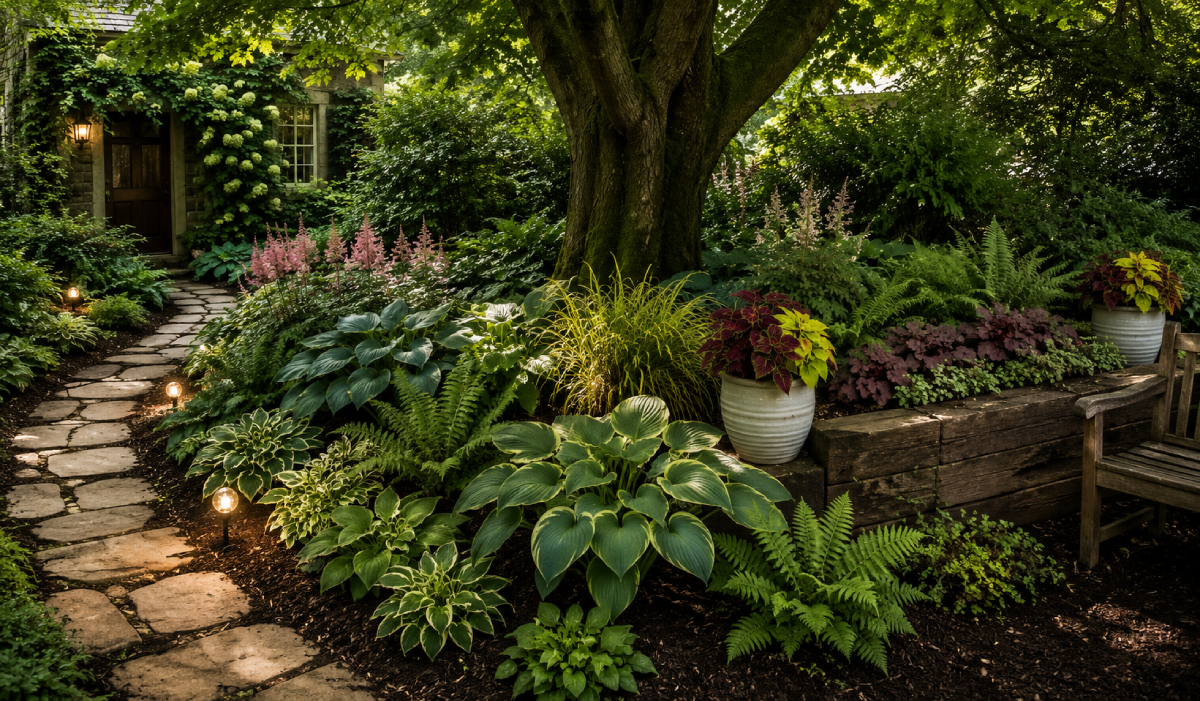
16 Full Shade Landscaping Ideas for a Beautiful Low Maintenance Shaded Garden

Full shade landscaping is one of the most challenging garden situations to manage well. Damp soil, patchy grass, moss buildup, and weak plants are all common problems in areas that rarely see direct sunlight.
The good news is that a shaded garden can look genuinely beautiful once you stop fighting its nature and start working with it. The right plants, the right ground cover, and the right structure make all the difference. These 16 full shade landscaping ideas help you build a garden that stays clean, healthy, and attractive — without constant maintenance.
🌿 1. Choose Plants That Actually Thrive in Deep Shade
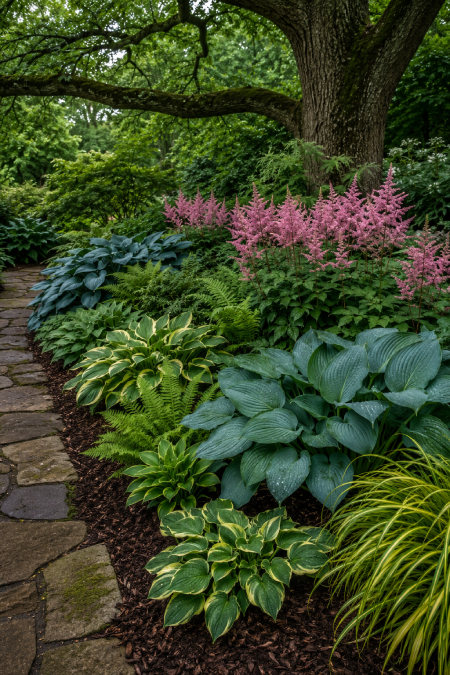
The most common full shade landscaping mistake is planting things that need more sun than the yard provides. Plants that secretly need sunlight become leggy, patchy, and weak very quickly in shaded conditions.
Deep shade plants like hostas, ferns, astilbe, coral bells, and Japanese forest grass are reliable because they have genuinely adapted to low light conditions.
They grow consistently, create fullness, and require far less attention than sun-loving plants forced into shade. Layering these plants at different heights gives the garden structure and visual depth.
This matters especially in shady front yard landscaping where struggling plants make the whole entrance look neglected.
🌱 2. Stop Trying to Grow Grass in Deep Shade
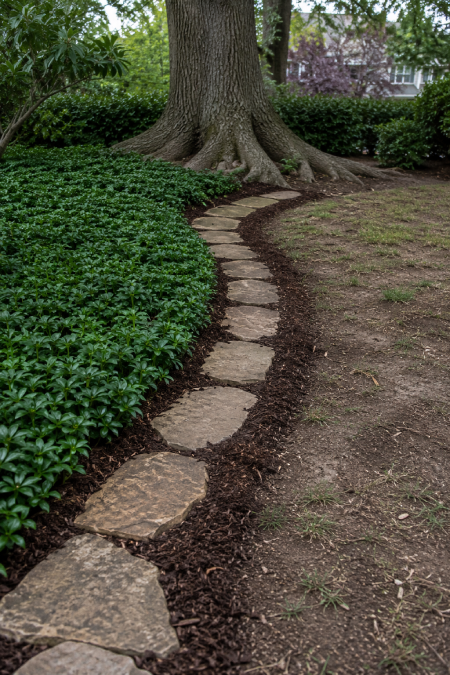
Thin, muddy grass beneath trees or beside fences is one of the most frustrating full shade garden problems. In many of these spots, grass will never grow properly regardless of how much effort you put in.
Accepting this early saves significant time and money. Replacing struggling lawn sections with mulch beds, gravel, stepping stones, or shade tolerant ground cover is usually the smarter choice.
Ground covers like pachysandra, creeping Jenny, ajuga, and sweet woodruff spread naturally to fill shaded areas with consistent greenery. They suppress weeds, reduce muddy patches, and need very little maintenance once established.
This approach works especially well in backyard shade landscaping where heavily shaded corners become recurring maintenance problems every single year.
🪵 3. Use Mulch to Control Moss and Weeds
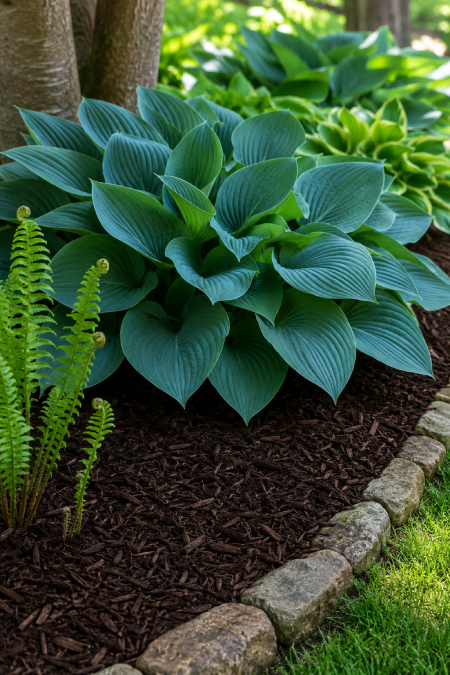
A thick mulch layer changes everything about how manageable a shaded garden feels. Damp shaded soil is the perfect environment for moss, weeds, and fungal growth — and mulch addresses all three at once.
Mulch stabilizes moisture levels so the soil does not stay waterlogged after rain. It blocks weed seeds from the light they need to germinate. It also makes planting beds look clean, maintained, and deliberate rather than neglected.
Dark bark mulch works especially well in front of house landscaping because it makes green foliage stand out beautifully. Apply at least 3 inches deep for effective weed suppression.
Refresh it annually to keep the beds looking consistently clean throughout the growing season.
💧 4. Fix Drainage Before Planting Anything New
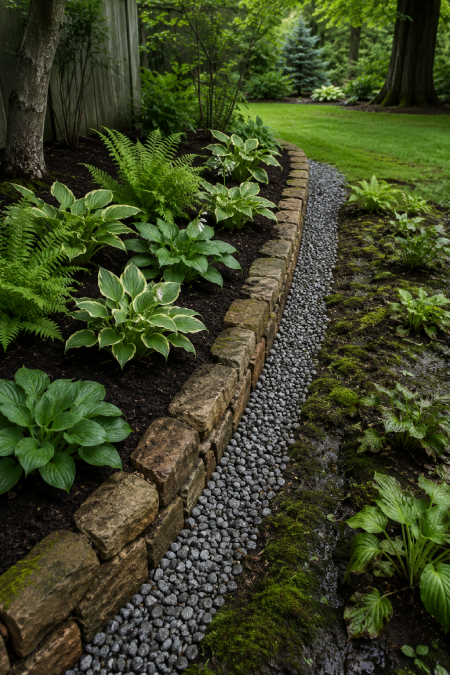
Most shade garden plant failures start underground rather than above it. Shaded soil stays wet far longer after rain because sunlight is not drying it out through the day.
Soggy soil causes root rot, fungal disease, moss spread, and constant plant failure.
Before adding any new flowers for shaded areas, watch how water behaves after rainfall. If puddles sit for more than an hour, drainage must improve before any new planting begins.
Mixing compost into compacted soil helps it drain faster and breathe more easily.
Gravel pathways and simple drainage channels reduce standing water significantly.
Raised beds are another excellent option because they lift plant roots above the waterlogged ground entirely.
✂️ 5. Trim Trees to Let More Filtered Light Through
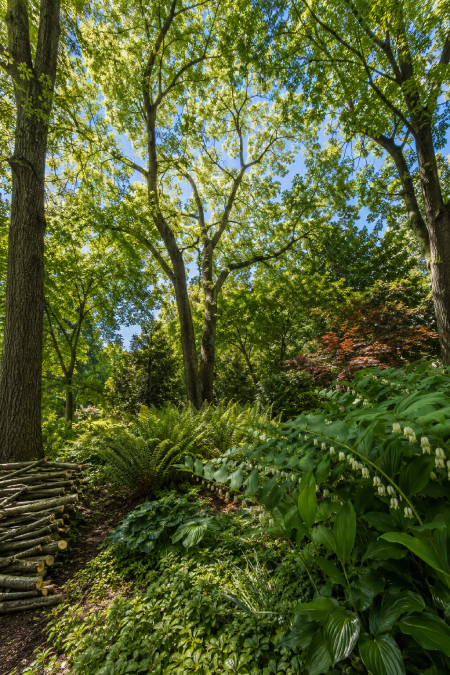
Full tree removal is rarely necessary to improve a shaded garden. Selective pruning often lets in enough extra light to make a significant difference to the plants below.
Overgrown tree canopies create excessively damp conditions underneath by blocking both light and airflow. Thinning lower branches allows more filtered light to reach the ground while also improving air circulation.
This reduces moss and fungal problems naturally without chemicals. Part shade plants like lungwort, Solomon’s seal, and bleeding heart perform far better with even a small increase in filtered light.
This approach works especially well in shaded driveway landscaping where moss and algae regularly build up on damp surfaces that never fully dry out.
🍃 6. Focus on Leaf Texture Rather Than Flowers
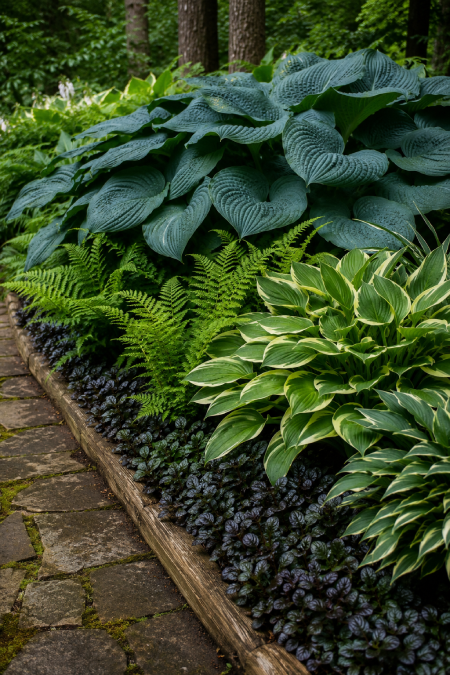
Expecting a full shade garden to bloom like a sunny border is one of the most common disappointments in shaded landscaping. Most shade gardens do better when foliage texture becomes the primary design focus.
Large hosta leaves, delicate fern fronds, glossy evergreen shrubs, and layered ground cover create visual depth and movement throughout the year.
Different leaf shapes, sizes, and shades of green keep the garden interesting without relying on flowers that may struggle in low light. Adding stone borders, timber features, and natural wood elements helps break up the greenery while adding structure to darker spaces.
This approach works especially well in front entry landscaping where a well-structured foliage garden looks consistently maintained through every season.
🪨 7. Replace Damp Driveway Edges With Gravel or Stone
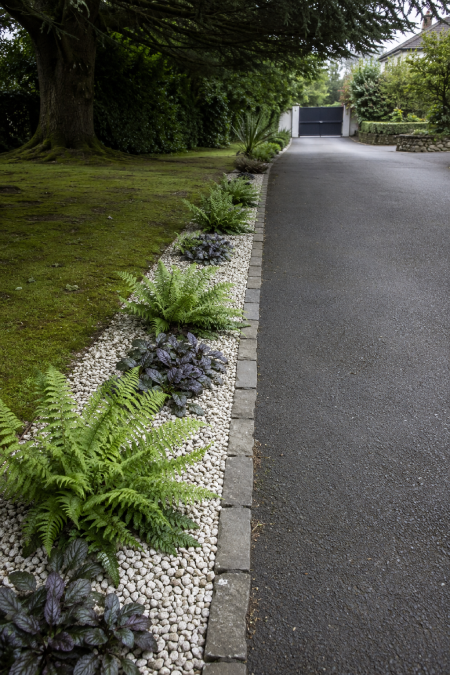
Shaded driveways often develop moss, algae, muddy edges, and thinning grass because they never fully dry out through the day. These areas are persistently difficult to maintain with traditional lawn or planting.
Replacing difficult driveway edges with gravel, decorative stone, or mulch creates a far more durable and low-maintenance solution. Stone materials dry significantly faster than soil after rain.
Gravel edges also reduce muddy runoff that stains driveway surfaces during wet weather.
This is one of the most practical shaded driveway landscaping upgrades available because it solves both the appearance problem and the ongoing maintenance problem simultaneously.
River pebbles, crushed slate, or pale decorative gravel all work well and each suits a different property style.
🌲 8. Plant Evergreen Shrubs for Year-Round Structure
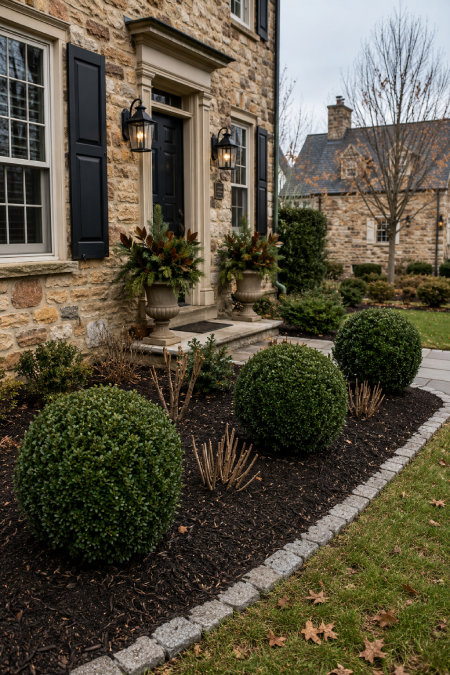
Shaded gardens look their worst in winter when shade tolerant perennials die back completely and leave the beds bare and empty. Evergreen shrubs solve this problem permanently.
Boxwoods, yews, inkberry, and Japanese holly all tolerate low light conditions while providing consistent shape and fullness through every season.
They anchor the landscape visually and give the garden structure even when nothing else is growing. This matters especially in front yard landscaping where the entrance needs to look maintained even during colder months. Mixing evergreen shrubs with seasonal plants creates a more balanced landscape overall — the evergreens hold the structure while the perennials add seasonal interest during warmer months.
🍂 9. Remove Wet Leaves Regularly Before They Cause Damage
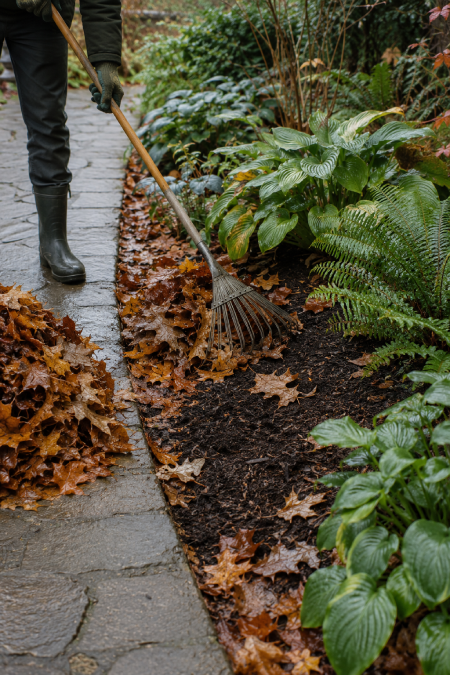
Fallen leaves in a shaded garden cause far more damage than most people realize. Because shade prevents sunlight from drying them out, they stay wet for long periods and create serious problems.
Thick damp leaf layers trap moisture against the soil and encourage rot, fungal disease, moss spread, and pest problems. Regular cleanup during autumn is essential in a full shade garden.
Rake or leaf blow weekly during peak leaf-fall rather than letting it build up into an overwhelming task at season end. Shredded leaves can be composted and returned to the garden as mulch the following year.
Keeping airflow around plants by removing debris regularly makes a noticeable difference to plant health through the winter months.
🪴 10. Add Containers to Brighten Dark Corners
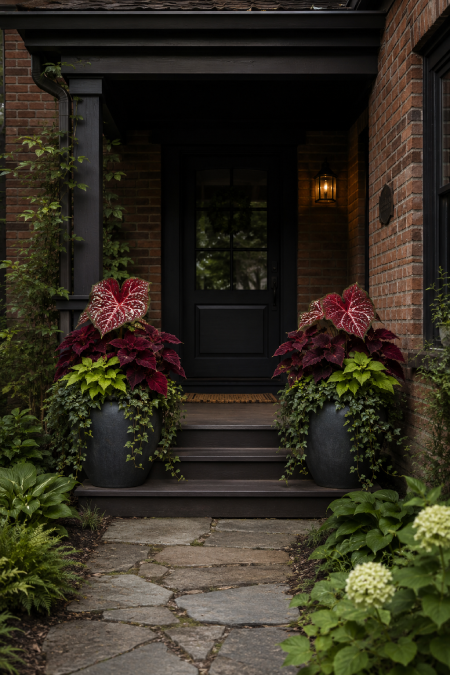
Containers give you control over color, texture, and placement in a shaded garden without any permanent commitment. They are especially useful in spots where fixed planting beds feel too dark or too flat.
Shade tolerant plants like coleus, caladiums, begonias, and ferns perform beautifully in containers near shaded porches and entryways.
Large planters also define entrances visually and add instant height and structure where the landscape feels low or flat. Moving containers seasonally means you can keep fresh color appearing in the darkest corners throughout the year.
This is a genuinely practical option for homeowners who want visible improvement quickly without committing to a major landscaping project or replanting effort.
🌼 11. Plant Densely to Prevent Weeds Naturally
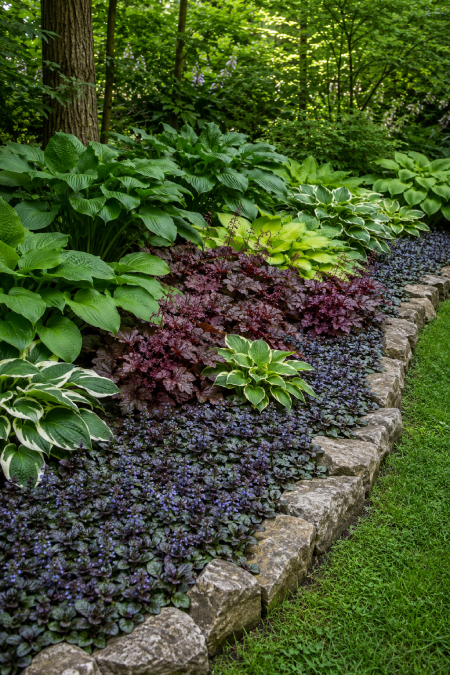
Bare soil in a shaded garden almost always becomes a weed problem. Damp shaded conditions are ideal for weed germination, and open gaps between plants fill up quickly.
A smart shade garden design layout fills planting beds as densely as practical to reduce exposed soil. Hostas, ferns, coral bells, and low spreading ground cover gradually close open gaps while suppressing unwanted growth naturally.
Dense planting also creates a much fuller and more established appearance throughout the landscape. Instead of individual plants surrounded by mulch, the garden looks layered and cohesive.
It takes one or two full growing seasons to achieve genuine density, but the reduced maintenance afterward is worth the initial patience.
🌳 12. Build Raised Beds Around Competing Tree Roots
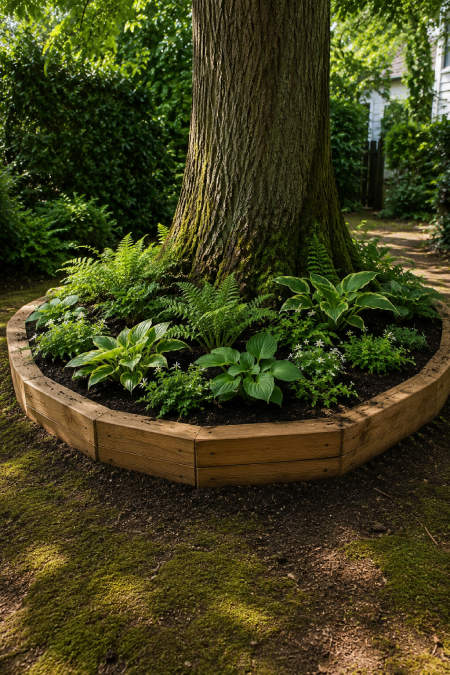
Large mature trees compete aggressively for moisture and nutrients. Plants placed near established tree root systems often fail despite regular watering and feeding because the tree roots take everything first.
Raised beds beside or around trees solve this problem by giving new plants their own improved growing environment above the root competition. Even a low raised bed of 8 to 12 inches makes a significant difference to plant performance.
Stone or timber raised beds also create visual structure that helps heavily shaded backyard spaces feel more organized and intentional.
This is particularly useful in backyard shade landscaping where old trees dominate large sections of the yard and make in-ground planting consistently frustrating.
Even a simple raised border changes the growing conditions dramatically.
🪨 13. Choose Lighter Hardscaping Materials to Brighten the Space
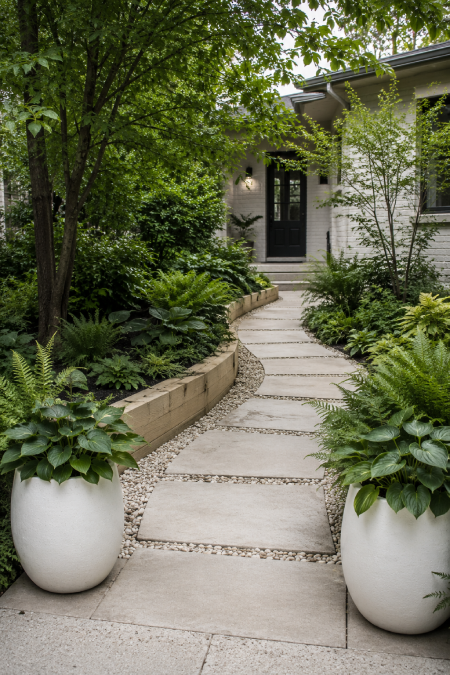
Dark shaded gardens can feel even heavier when dark hardscaping materials are used throughout. Black fencing, dark paving, and very dark mulch absorb whatever light is available rather than reflecting it back into the space.
Pale gravel, natural light wood, light grey stepping stones, and white or cream planters help reflect available light around the garden.
This makes dark corners feel visibly brighter without any additional light source.
Even small changes — a pale gravel path instead of a dark one, or cream painted timber edging instead of black — shift the overall mood of a shaded space noticeably.
This is especially impactful in smaller shady front yard landscaping projects where limited sunlight already makes entrances feel enclosed and dark.
💡 14. Install Garden Lighting to Define Dark Evening Spaces
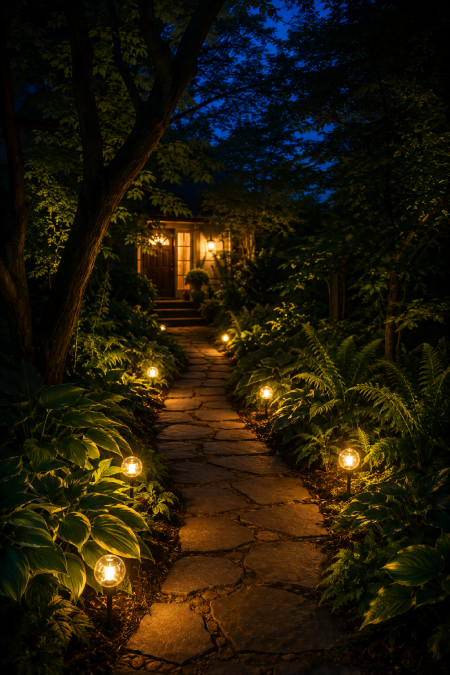
A shaded garden becomes completely invisible once daylight fades. Without lighting, pathways disappear, entrances feel unsafe, and all the landscaping detail is lost until morning.
Warm solar pathway lights, low-voltage uplighting beneath trees, and subtle spotlights on key plants all help define the space after dark.
Lighting also highlights leaf texture beautifully — hostas, ferns, and evergreen shrubs look extraordinary when lit from below or beside. Even a simple softly lit pathway completely changes how a shaded front or back garden feels in the evening.
Solar lighting is the most practical and most affordable option for most homeowners because it requires no electrical work and runs for free once installed.
🌧️ 15. Use the Right Soil Amendments for Damp Shaded Conditions
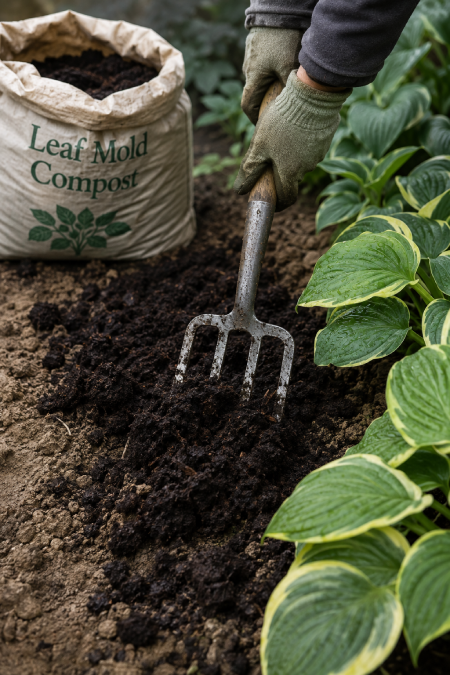
Shaded garden soil behaves completely differently from soil in sunny areas. It stays wetter longer, compacts more easily, and often becomes nutrient-poor because tree roots take what they need first.
Working organic matter into shaded soil before planting makes an immediate difference to drainage, aeration, and plant nutrition. Compost, well-rotted leaf mold, and coarse grit all help open up compacted shaded soil and improve conditions for flowers for shaded areas.
Leaf mold in particular is excellent for shade garden soil because it closely mimics the natural woodland floor environment that most deep shade plants evolved in.
Improving the soil before planting always produces better results than trying to correct plant failure afterward.
🧘 16. Adjust Your Expectations for What a Shade Garden Can Be
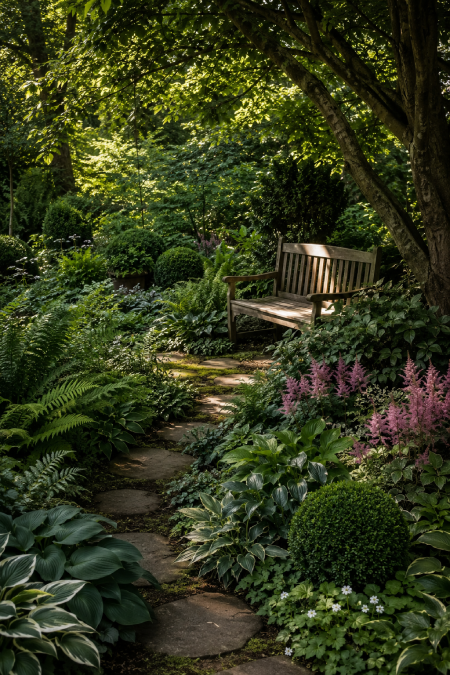
The most lasting improvement in any full shade landscaping project comes from a mindset shift rather than a plant purchase.
A shaded garden will never behave like a bright sunny border with roses and bold summer color.
Grass may always grow more slowly. Flowers may be more subtle. Moisture management will remain part of regular seasonal maintenance. Once you accept this, the frustration of shaded landscaping mostly disappears.
You stop trying to recreate something the conditions cannot support and start building something that works naturally.
Texture, layered foliage, mulch, drainage, moisture-tolerant plants, and structural evergreens become the real stars of the landscape.
That mindset shift is often the single biggest improvement a shaded garden ever receives.
🛠️ Quick Practical Guide
Best deep shade plants to start with:
- Hostas — reliable, varied, and the most forgiving shade plant available
- Ferns — add movement and delicate texture in any shaded space
- Astilbe — one of the few shade plants with genuinely showy flowers
- Coral bells — excellent foliage color year-round in part to full shade
- Sweet woodruff — perfect low spreading ground cover for dense shaded areas
- Pachysandra — evergreen ground cover that handles deep shade better than almost anything
Ground cover for replacing struggling lawn:
- Pachysandra — deep shade, evergreen, low maintenance
- Creeping Jenny — spreads quickly, bright lime-green color
- Ajuga — handles competition from tree roots well
- Sweet woodruff — fragrant and delicate, suits woodland-style gardens
Common shade garden problems and quick fixes:
- Moss buildup — improve drainage, increase mulch depth, trim tree canopy
- Muddy patches — replace lawn with gravel or ground cover, add drainage channels
- Weak plants — check plant choice first, then check soil and drainage
- Bare soil — plant more densely or add mulch immediately
- Dark and gloomy feeling — use lighter hardscaping materials and add solar pathway lighting