15 Rustic Porch Planter Ideas With Farmhouse Charm That Transform Entrances

Rustic porch planters set the tone for your entire home. Beautiful entrance planters create lasting first impression. Farmhouse charm communicates warmth and welcome. Strategic planter placement frames doorways making homes feel intentional. The right planters coordinate with existing architecture enhancing curb appeal dramatically.
These 15 rustic porch planter ideas show you exactly how to create welcoming, charming entrance displays. Each idea includes practical styling guidance and material options. You will learn planter selection strategies. You will understand seasonal arrangement approaches. Most importantly, you will create a front porch display genuinely welcoming visitors while reflecting your home’s character.
🪴 1. Weathered Terra Cotta Grouping — Classic Farmhouse Foundation
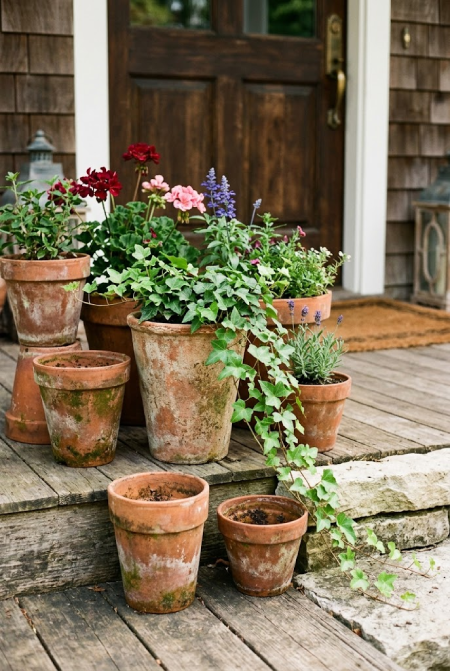
Group weathered terra cotta pots in odd numbers creating authentic rustic aesthetic. Three to five pots of varying heights provide visual interest. Natural clay ages beautifully developing character. Traditional material communicating timeless farmhouse charm. Budget-friendly option accessible to most homeowners.
Source terra cotta in varying sizes. Layer with different plant types. Trailing ivy, upright flowers, ornamental grasses create textured composition. Position pairs flanking doorway. The aged clay patina develops naturally or accelerate with aging solution.
🏺 2. Distressed Wood Box Planters — Cottage Garden Style
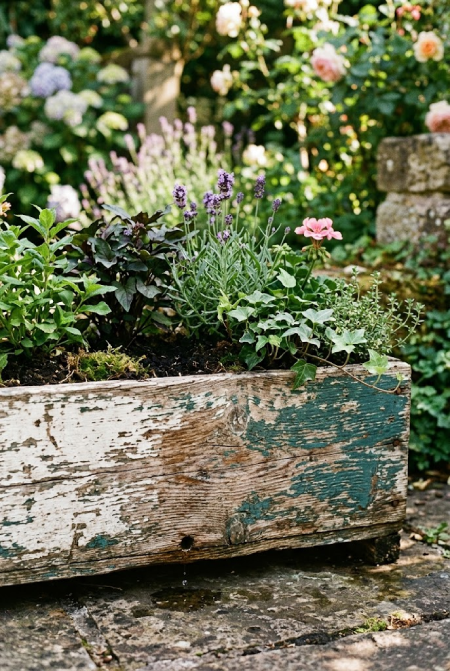
Create wooden planter boxes with intentional distressing showing age. Natural wood or painted finishes coordinate with porch. Dimensions 24-36 inches wide accommodate multiple plants. Deep soil provides space for substantial root systems. Custom sizing fits awkward porch spaces perfectly.
Build using reclaimed wood or new wood aged with techniques. Add drainage holes. Line with landscape fabric. Fill with quality potting soil. Paint optional but coordinates with home exterior. Rustic boxes last 5-10 years with protective sealant.
🌳 3. Tall Planter Strategy For Small Porches — Vertical Impact
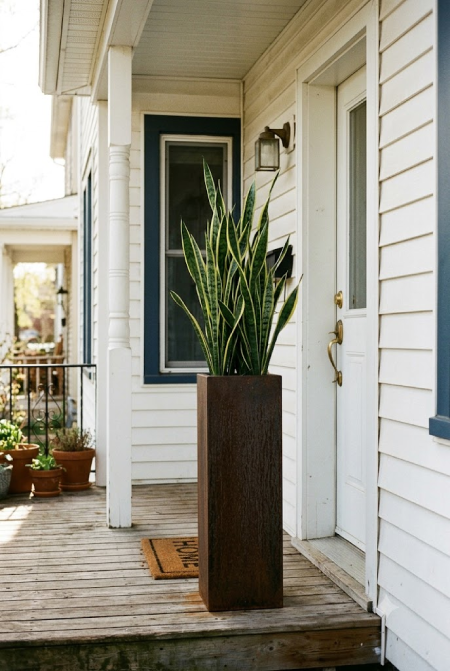
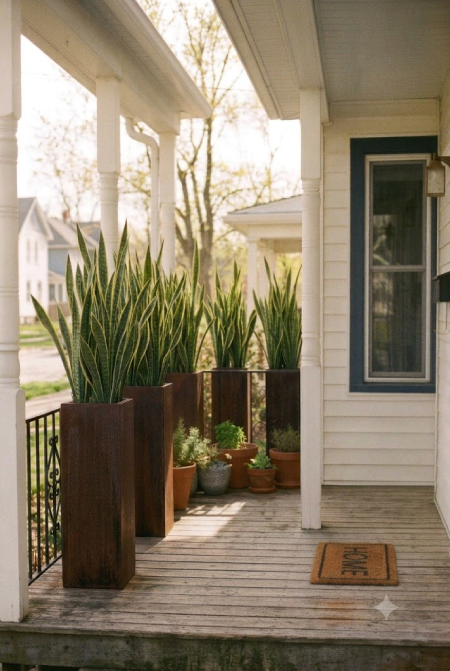
Use tall cylindrical or pedestal planters creating height without consuming horizontal space. 24-36 inch planters draw eyes upward. Single specimen plant (ornamental grass, small shrub) prevents overcrowding. Vertical plantings make small porches feel spacious.
Select planters in coordinating colors. Plant single focal specimen. Position one or both sides of door. Tall plantings create architectural interest. Small porch maximization technique.
🌲 4. Shade-Tolerant Planter Combinations — Dark Corner Solutions
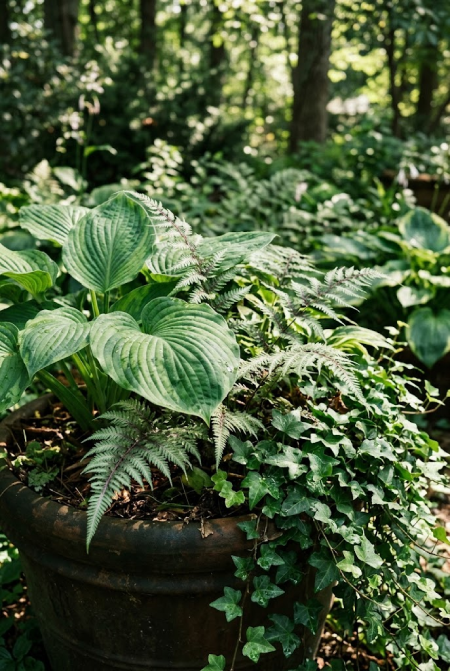
Porches receiving limited sunlight need shade-tolerant plants. Hostas, ferns, ivy, impatiens thrive in shade. Foliage interest replaces flower dependency. Layered textures create visual richness despite low light. Problem-solving approach ensuring porch beauty regardless of sunlight.
Select shade plants with varied textures. Hostas provide bold foliage. Ferns add delicate detail. Trailing ivy softens box edges. Impatiens provide color in shade. Combination creates lush despite darkness.
🖤 5. Black Rustic Planter Styling — Modern Farmhouse Contrast
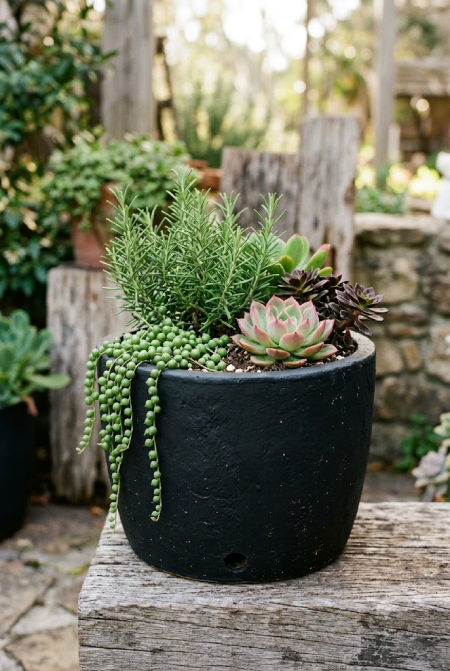
Black metal or painted ceramic planters provide bold contrast in rustic settings. Modern farmhouse aesthetic balances rustic warmth. Black draws attention creating focal point. Complements both traditional and contemporary architecture. Trendy option coordinating with current design preferences.
Select black planters in varied styles (metal, ceramic, modern). Plant with traditional rustic plants (herbs, seasonal flowers). Contrast creates visual interest. Position as statement pieces. Black planters photograph beautifully.
🚪 6. Double-Wide Porch Planter Arrangement — Balanced Symmetry
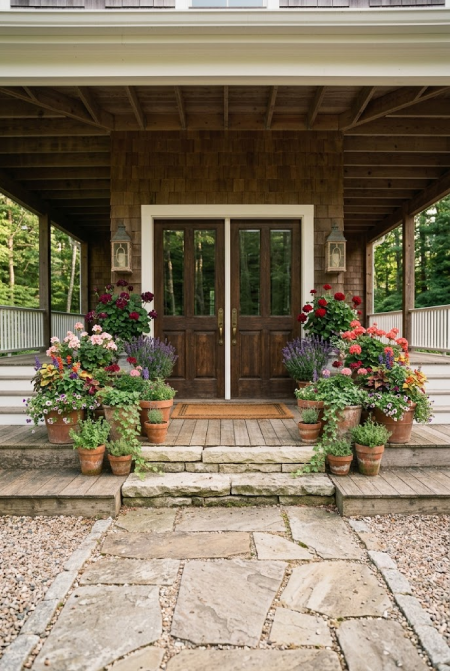
Large or double porches warrant grouped planters creating balanced, intentional look. Flank both sides of door with matching or coordinating planters. Symmetry creates professional appearance. Multiple groupings create layered visual interest. Abundant planter space allows creative combinations.
Arrange planters in balanced pairs. Coordinate colors creating cohesion. Vary heights and textures. Larger scale porches accommodate bolder, bigger plantings. Symmetrical arrangement creates timeless elegance.
🍂 7. Seasonal Planter Rotation — Year-Round Interest
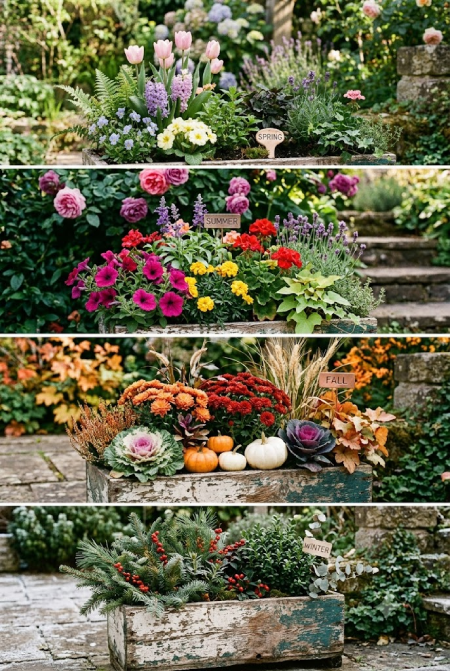
Change plantings seasonally maintaining fresh, relevant appearance. Spring: pastel flowers and fresh greens. Summer: vibrant annuals and herbs. Fall: ornamental grasses and mums. Winter: evergreens and ornamental cabbages. Seasonal updates keep porch looking intentional and cared-for.
Spring plantings (March-April): Pansies, primrose, ornamental kale. Summer plantings (May-September): Annuals, herbs, trailing plants. Fall plantings (September-October): Mums, ornamental grasses, gourds. Winter plantings (November-February): Evergreens, winter berries, ornamental cabbages.
🌿 8. Privacy Planter Screen — Functional Screening Solution
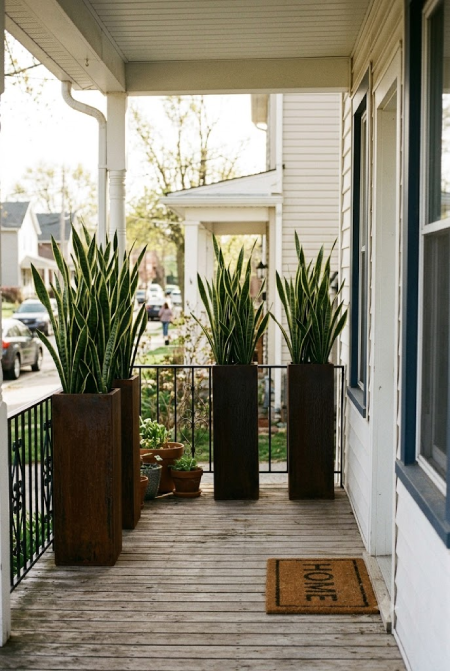
Position tall planters creating screen from street view. Bamboo or grasses in tall planters block sight lines. Dual purpose: privacy and beauty. Rustic screening alternative to fencing. Soft, living approach to privacy needs.
Select tall plants (bamboo, ornamental grasses, arborvitae). Use tall planters (24-36 inches). Position strategically creating visual block. Living screen softer than hard structures. Seasonal greenery provides year-round privacy.
🏘️ 9. Rustic Railing Planter Boxes — Maximizing Vertical Real Estate
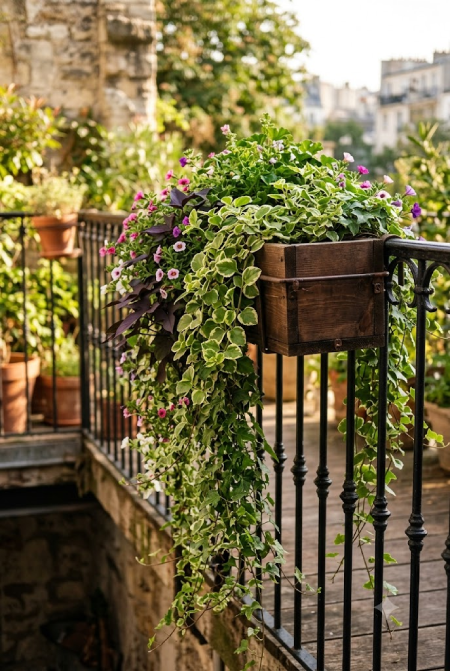
Attach planter boxes to porch railings utilizing vertical space. Railing planters maximize limited floor space. Hanging boxes create abundant planting capacity. Elegant solution for space-constrained porches. Vertical gardening approach for small yards.
Select railing planter boxes (14-18 inches deep). Mount securely on railings. Fill with trailing plants (ivy, petunias, calibrachoa). Cascading growth creates visual abundance. Railings become living garden features.
🪵 10. Reclaimed Material Planters — Sustainable Rustic Charm
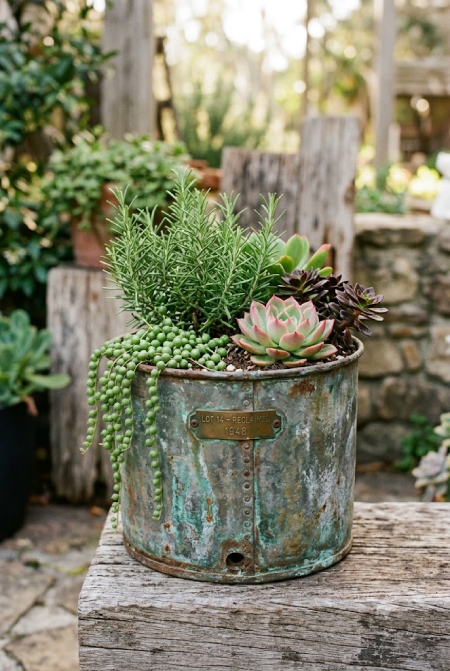
Create planters from reclaimed materials. Old drawers, wooden crates, vintage containers. Each piece carries history and character. Sustainable approach reducing waste. Unique one-of-a-kind pieces impossible to replicate.
Source reclaimed materials from salvage yards, antique shops, curbside finds. Adapt for plant use. Add drainage. Line with landscape fabric. Weathering adds authenticity. Free or nearly-free planter creation.
🌺 11. Overflowing Abundance Planter Design — Lush Cottage Style
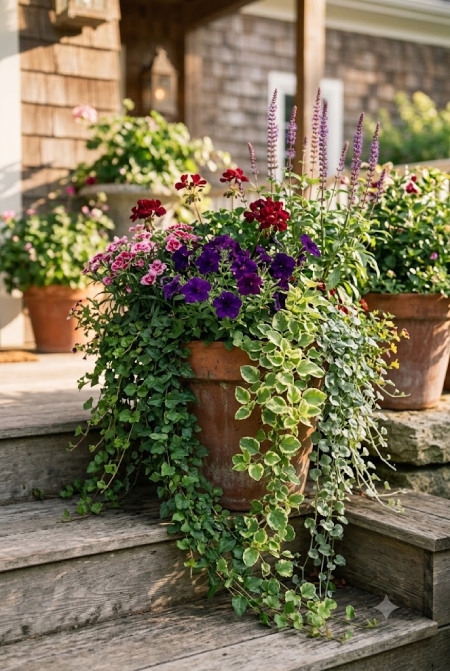
Fill single planter with abundant plants creating overflowing, lush appearance. Thriller (tall plant) at center. Filler (medium plants) surrounding. Spiller (trailing plants) cascading. Explosion of color and texture creates cottage charm. Generous, welcoming aesthetic.
Layer plants: tall structural plant at center. Medium flowering plants around. Trailing ivy, petunias, or calibrachoa spilling over edges. Result: abundant, romantic, generous-looking planter.
🏷️ 12. Rustic Herb Planter — Functional Porch Garden

Dedicate porch planter to herbs creating functional kitchen garden. Basil, parsley, thyme, chives near kitchen entrance. Convenient harvesting during cooking. Aromatic plants add sensory dimension. Beautiful and practical combination.
Select herbs for your kitchen needs. Group complementary herbs together. Position near kitchen door for easy access. Aromatic quality creates welcoming atmosphere. Functional beauty approach.
🎨 13. Monochromatic Color Planter Theme — Sophisticated Coordination
Choose single color palette creating sophisticated, intentional appearance. All white flowers with green foliage. All purple shades with silver foliage. Monochromatic approach creates cohesion despite varied plant types. Elegant, less-is-more aesthetic.
Select plants in single color family. White theme: white flowers, silver foliage. Purple theme: purple flowers, dark foliage. Monochromatic creates sophisticated, designer appearance.
🏠 14. Front Door Frame Enhancement — Entrance Architecture

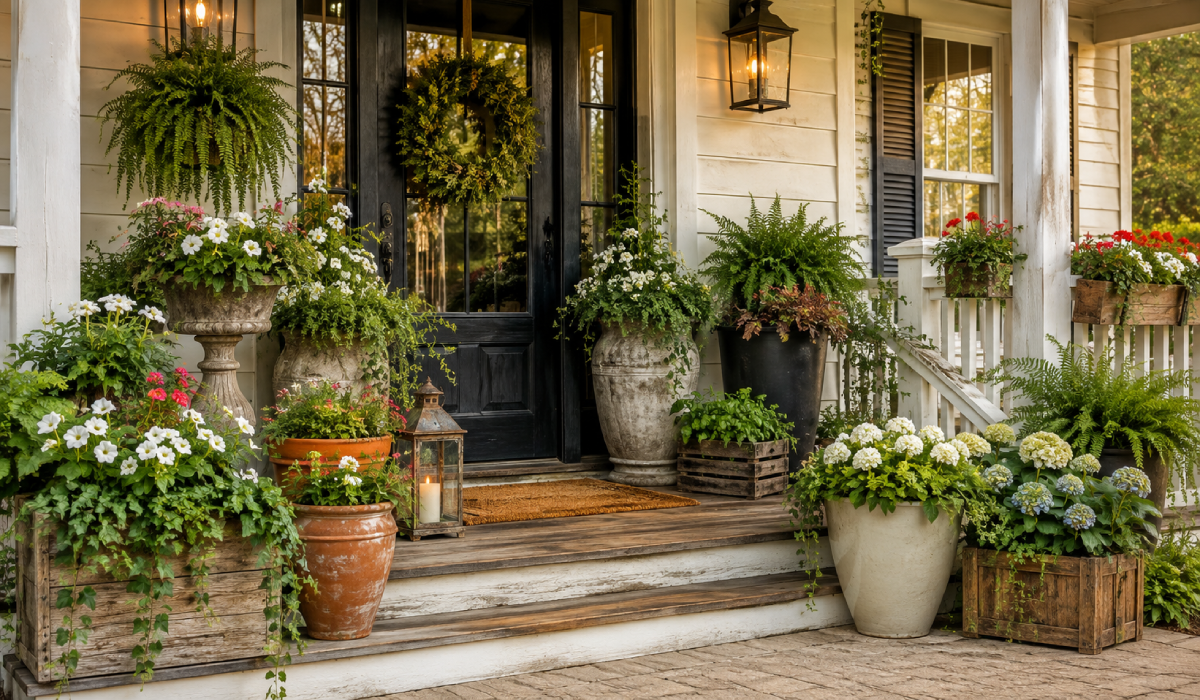
Use planters to frame front door entrance creating visual frame. Tall matching planters flanking door. Colors coordinating with door color. Plants emphasizing architectural beauty. Framed entrance becomes stunning focal point. Professional landscaping effect.
Position planters to frame door opening. Match heights for symmetry. Coordinate colors with trim or door. Tall plants draw eyes toward entrance. Architectural framing technique.
🌞 15. Mixed Hardscape Porch Display — Combining Containers And Accessories
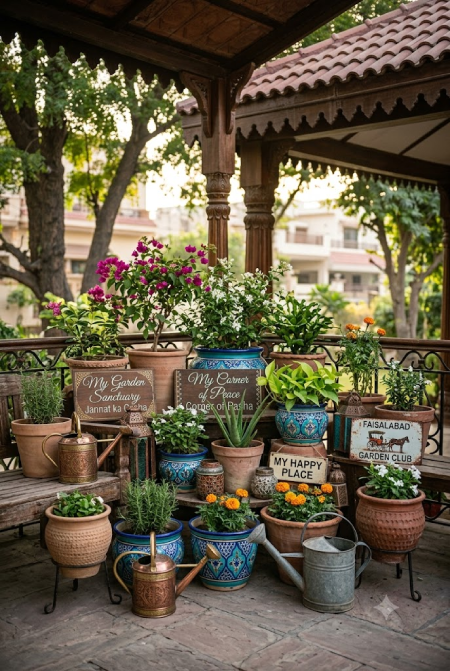
Combine planters with rustic accessories creating layered vignette. Watering cans, vintage lanterns, wooden signs with planters. Arrangement tells story creating inviting atmosphere. Vignette styling elevates basic planting arrangement into designed display.
Group planters with coordinating rustic accessories. Vary heights and textures. Create balanced arrangement. Vignette styling technique creates magazine-worthy appearance.
🛠️ Quick Practical Guide
Porch planter sizing guidelines:
Small porches (under 50 sq ft):
- Two tall planters flanking door
- Railing planter boxes if available
- Vertical emphasis maximizing space
- Single-specimen plantings preventing crowding
Medium porches (50-150 sq ft):
- Four to six planters creating balanced display
- Mix of heights and sizes
- Grouped arrangements flanking door
- Center or corner focal plantings
Large/double-wide porches (150+ sq ft):
- Multiple groupings creating layered displays
- Six to twelve planters minimum
- Bold plantings making visual impact
- Balanced symmetry for professional appearance
Planter material selection:
Terra Cotta:
- Cost: $15-50 per pot
- Durability: 5-10 years
- Aesthetic: Classic farmhouse
- Maintenance: Moderate (aging beautiful)
Wood (painted or stained):
- Cost: $30-100 per box
- Durability: 5-10 years with sealant
- Aesthetic: Cottage, rustic charm
- Maintenance: Annual sealant refresh
Ceramic/Pottery:
- Cost: $20-80 per piece
- Durability: 10+ years
- Aesthetic: Rustic or modern depending on style
- Maintenance: Low (decorative mostly)
Metal (rustic, cast iron):
- Cost: $25-100 per piece
- Durability: 15+ years
- Aesthetic: Industrial rustic
- Maintenance: Low (intentional rust patina)
Plant selection by porch condition:
Full sun (6-8+ hours):
- Marigolds
- Petunias
- Zinnias
- Ornamental grasses
- Herbs (basil, oregano)
- Calibrachoa
Part shade (3-6 hours):
- Impatiens
- Begonias
- Ivy
- Hostas
- Shade perennials
- Ferns
Full shade (2-3 hours):
- Ferns
- Hostas
- Shade ivy
- Impatiens (tolerant)
- Shade groundcovers
Seasonal planting calendar:
Spring (March-May):
- Pansies, primrose
- Ornamental kale
- Fresh greens
- Bulb plantings
- Cool-season annuals
Summer (June-August):
- Petunias, marigolds
- Zinnias, cosmos
- Herbs (basil, parsley)
- Trailing plants (ivy, calibrachoa)
- Heat-tolerant annuals
Fall (September-November):
- Mums
- Ornamental grasses
- Fall foliage plants
- Gourds and pumpkins
- Autumn-colored plants
Winter (December-February):
- Evergreens
- Winter berries
- Ornamental cabbages
- Pansies (cold-hardy)
- Branches for texture
Planter arrangement principles:
Thriller-Filler-Spiller method:
- Thriller: Tall plant at center (ornamental grass, focal specimen)
- Filler: Medium plants around (petunias, begonias, structural plants)
- Spiller: Trailing plants cascading (ivy, calibrachoa, trailing ivy)
Color coordination strategies:
Monochromatic approach:
- Single color family throughout
- White on white with silver foliage
- Purple on purple with dark foliage
- Creates sophisticated, cohesive appearance
Complementary approach:
- Opposite colors on color wheel
- Purple and yellow combination
- Blue and orange coordination
- Creates vibrant, dynamic appearance
Analogous approach:
- Adjacent colors on color wheel
- Red, orange, yellow harmony
- Blue, purple, pink harmony
- Creates pleasing, unified feel
Maintenance schedule for porch planters:
Daily:
- Visual inspection
- Water check (soil 1-2 inches down)
- Remove dead leaves/flowers
- Monitor pest activity
Weekly:
- Full watering (if needed)
- Deadhead spent flowers
- Check for disease or damage
- Organize planter arrangement
Monthly:
- Fertilize established plantings
- Refresh soil surface layer
- Replace struggling plants
- Deep clean pots/planters
Seasonally:
- Replace seasonal plantings
- Refresh soil mixture
- Inspect planter structural integrity
- Plan next season plantings
Watering best practices:
- Early morning watering preferred
- Water soil directly avoiding foliage
- Check moisture 1-2 inches down
- Container soil dries faster than ground
- More frequent watering in summer
- Reduce watering in winter
Common porch planter mistakes to avoid:
- Overcrowding plants causing stress
- Wrong plants for light conditions
- Inconsistent watering
- Poor drainage creating root rot
- Neglecting deadheading reducing blooms
- Ignoring pest problems
- Wrong planter sizing
- Forgetting color coordination
Budget approach for porch planters:
- Start with 2-4 planters (essential entry frame)
- Use inexpensive terra cotta or reclaimed materials
- Expand gradually as budget allows
- Rotate seasonal plants extending investment
- Propagate or divide plants spreading investment
- Start from seed reducing plant costs
- Thrift store finds for unique containers
Planter grouping strategies:
Odd numbers (3, 5, 7):
- Creates natural, balanced appearance
- Avoids mathematical symmetry feeling boring
- Professional design principle
Varied heights:
- Shorter front, taller back creates depth
- Pyramid arrangement with focal point
- Visual interest and dimension
Coordinated colors:
- Planters in same color family
- Complements home exterior
- Creates intentional, designed appearance
Mixed textures:
- Combine smooth and rough materials
- Aged and new elements
- Creates visual richness
Design coordination with home:
Farmhouse style homes:
- Wood planters, terra cotta, weathered metal
- Abundant, overflowing plantings
- Seasonal flower displays
- Rustic accessories (watering cans, lanterns)
Colonial/traditional homes:
- Formal symmetry with matched pairs
- Classic terra cotta or ceramic
- Structured, upright plantings
- Refined, elegant styling
Contemporary/modern homes:
- Black metal or geometric planters
- Minimal, restrained plantings
- Single specimens or monochromatic themes
- Clean lines and modern materials
Cottage/garden homes:
- Mixed materials and styles
- Overflowing abundance
- Varied heights and textures
- Charming, eclectic combinations