
Little free pantries transform neighborhoods into spaces of generosity and care. These community-focused food sharing stations remove barriers to food access. Neighbors help neighbors. Dignity remains intact. Simple structures create meaningful impact. Your front yard becomes gathering place for kindness.
These 15 little free pantry ideas show you exactly how to create welcoming community food stations. Each idea includes practical DIY guidance and community considerations. You will learn construction strategies. You will understand community impact. Most importantly, you will create a neighborhood space genuinely serving your community while building human connection.
🏠 1. Repurposed Cabinet Transformation — Instant Structure Solution
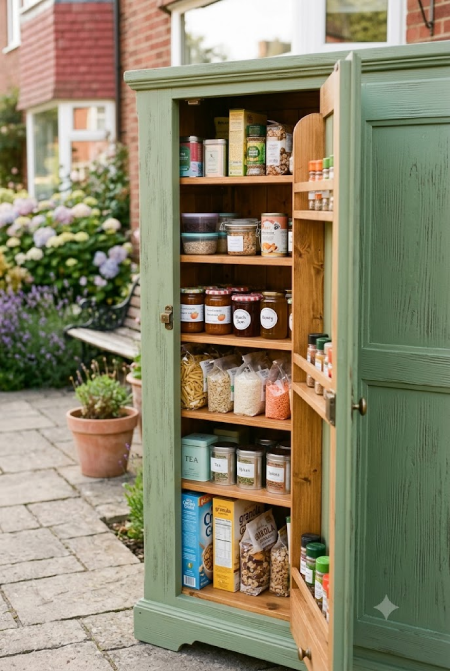
Convert old cabinet into charming free pantry. Existing shelves, doors, and structure provide quick start. Cabinet dimensions typically 24-36 inches wide. Perfect size fitting most front yards. Weatherproof paint transforms appearance completely.
Source cabinet from salvage yards, Facebook Marketplace, or curbside finds. Sand lightly. Apply outdoor weatherproof paint (2-3 coats). Add clear coat protection. Install hinges if needed. Position on sturdy base or feet. Total investment $30-80 including paint. Pantry ready in weekend project.
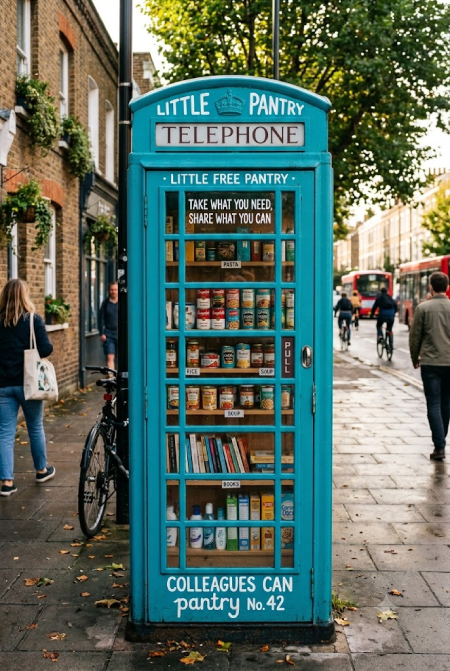
📞 2. Phone Booth Conversion — Bold Eye-Catching Statement
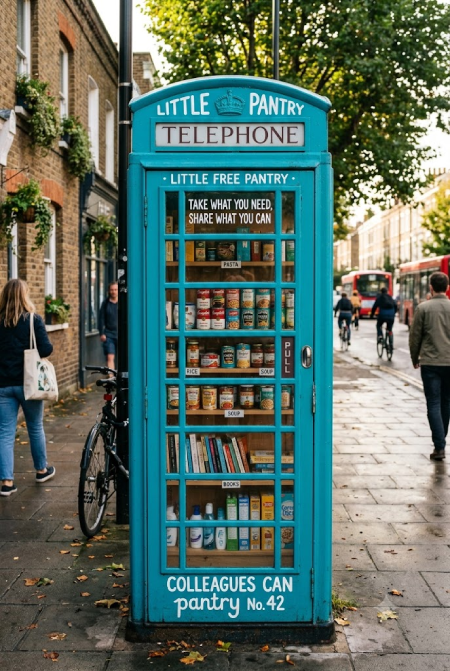
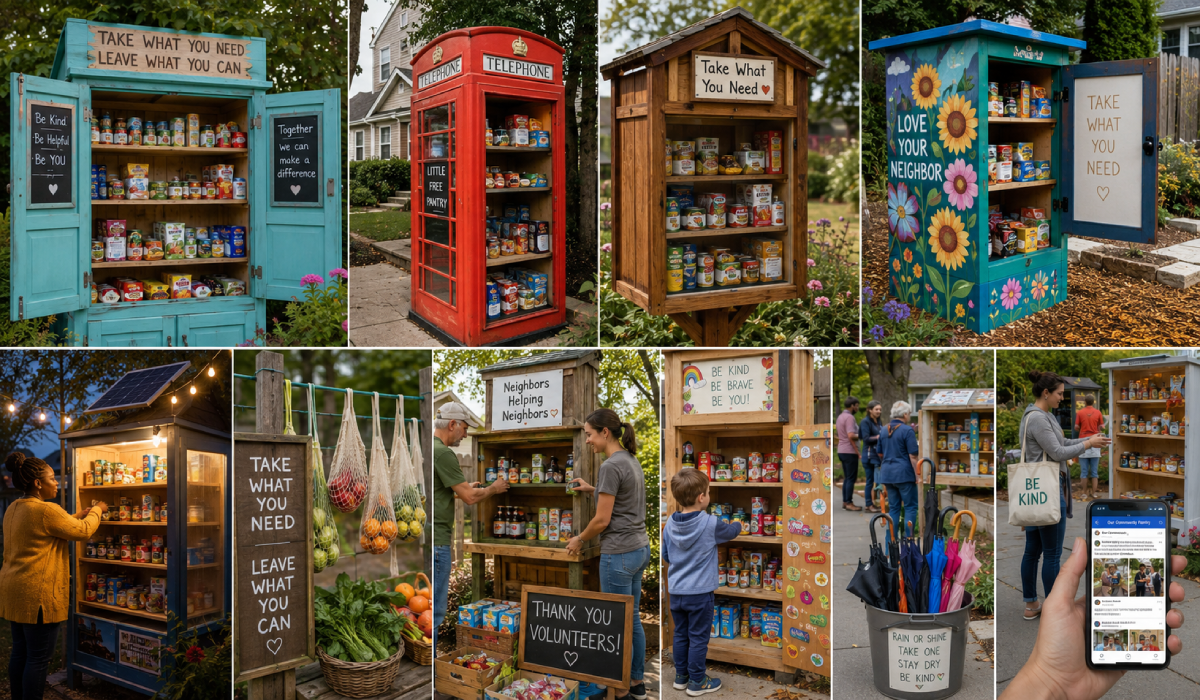
Repurposed phone booth creates neighborhood landmark. Bold color (red, teal, yellow) catches attention from distance. Phone booths typically 27-36 inches square. Interior space perfectly proportioned for pantry. Playful aesthetic encourages community interaction.
Source vintage phone booth from antique dealers or salvage yards. Paint exterior bold color. Install shelving inside. Add weather protection. Clear windows maintain visibility. Position in high-traffic area near parks or community centers. Conversation starter encouraging neighborhood connection.
🏗️ 3. DIY Wooden Structure Build — Complete Custom Control
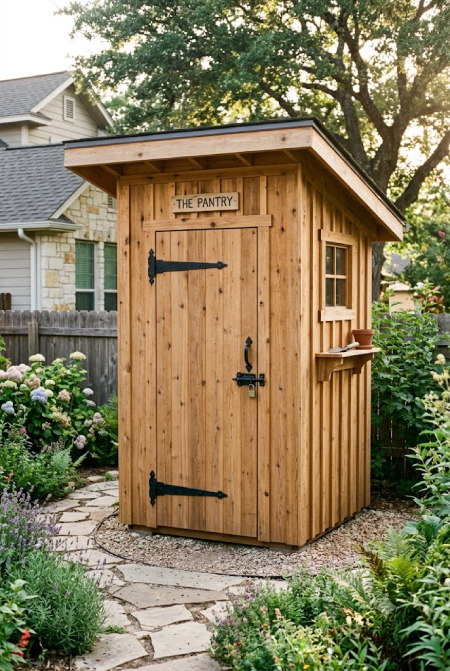
Build custom wooden pantry from scratch. Basic frame using 2x4s and plywood. Dimensions 24″W x 18″D x 36″H suitable for most yards. Slanted roof protects contents from rain. Door with weatherstripping seals interior. Custom design fits yard aesthetics perfectly.
Basic materials cost $80-150. Requires basic carpentry skills. Plans available online free. Build time 8-16 hours. Customize paint, trim, hardware for personality. Weatherproof sealant protects wood. Annual maintenance minimal. Quality build lasts 10+ years.
🌈 4. Mural Art Design — Neighborhood Landmark Creation

Paint vibrant mural on pantry exterior creating visual impact. Community collaboration involves neighbors in art creation. Mural tells neighborhood story or spreads message of kindness. Beautiful design increases neighborhood pride and respect for space.
Engage local artists or community members. Design collaborative mural reflecting neighborhood character. Bright colors attract attention. Protective clear coat preserves art. Updated seasonally keeping design fresh. Mural transforms functional pantry into beloved community art installation.
💡 5. Solar Lighting Installation — Evening Access Solution
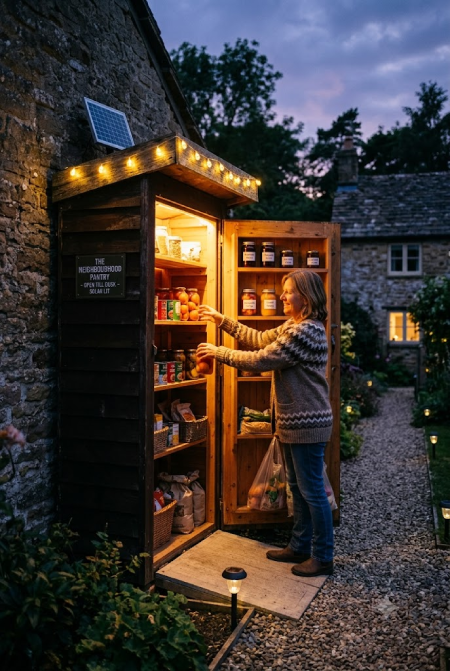
Install solar lights enabling evening and night access. Stick-on solar lights require no wiring. Position above door and along sides. Adequate lighting for safe item selection after dark. Especially valuable winter months when daylight ends early.
Solar lights cost $15-40 for quality options. Installation takes minutes. No batteries or electricity needed. Automatic dusk-to-dawn operation. Annual replacement of solar panels maintains function. Significant usability improvement for minimal cost.
🏷️ 6. Welcoming Signage System — Communication Strategy
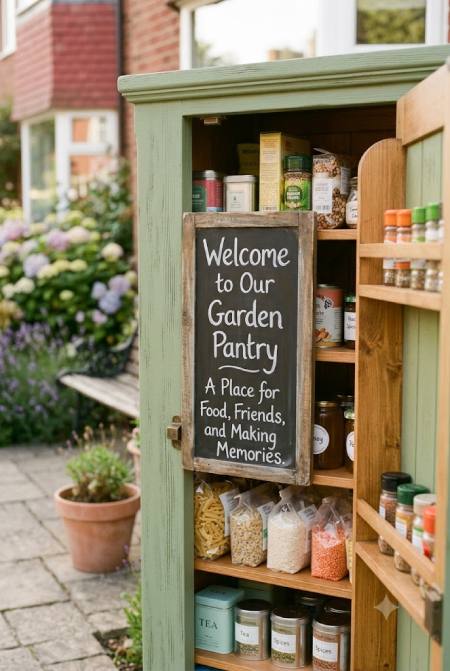
Create clear signage explaining pantry purpose and guidelines. Chalkboard allowing message updates builds emotional connection. “Take what you need, leave what you can” sets tone. Seasonal messages create relationship with community.
Weatherproof signage options: painted wood, laminated paper, chalkboard. Message examples: “Neighbors helping neighbors,” “No food is wasted here,” “Community kindness in action.” Update regularly showing active care. Small detail with major community impact.
🎯 7. Strategic Location Selection — Maximizing Community Impact
Location determines pantry usage and impact. High-traffic areas: bus stops, community centers, parks, popular walking routes. Safety considerations: not blocking sidewalks, visible from residences, pedestrian-friendly. Accessibility ensures maximum community benefit.
Map neighborhood foot traffic. Observe peak usage times. Choose locations with natural passing traffic. Ensure adequate sight lines and safety. Get neighbor input on ideal location. Optimal location dramatically increases pantry usage and community connection.
🧺 8. Weather Protection Design — Ensuring Content Safety

Slanted or peaked roof prevents water pooling and leakage. Weatherstripping on door seals interior. Proper drainage around base prevents flooding. Interior shelving protects items from moisture. Overhang protects front facade from heavy rain.
Weather protection investment: $50-100 additional materials. Significantly extends shelf life of contents. Protects food quality and safety. Prevents interior damage extending pantry lifespan. Essential consideration in rainy climates.
📦 9. Organization System — Accessibility And Clarity
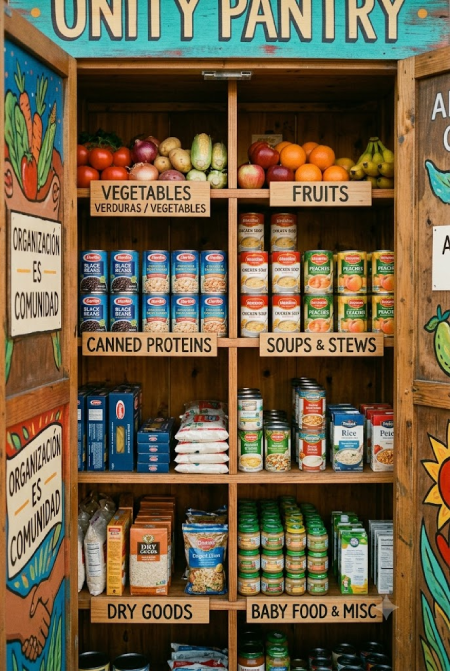
Organized interior with designated sections improves usability. Shelves by category: grains/pasta, canned goods, hygiene items, snacks. Clear labels on each shelf. Consistent organization prevents overwhelming confusion. Easy navigation increases community satisfaction.
Implement zoned shelving: top shelf (grains/pasta), middle shelf (canned goods), lower shelf (snacks), side hooks (bags/produce). Label sections clearly. Organize donations as they arrive. Regular restocking maintains order. Simple system creating major usability improvement.
🤝 10. Volunteer Buddy System — Community Maintenance Network
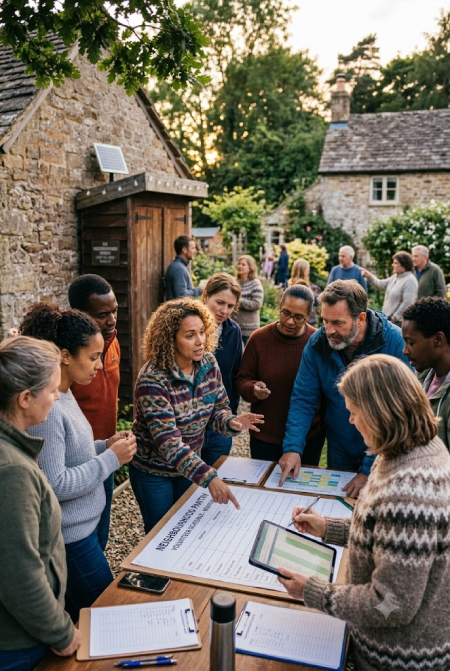
Establish rotating volunteer schedule for restocking and maintenance. Neighborhood sign-up sheet or group chat coordinates volunteers. Monthly or weekly volunteers ensure consistent stock. Shared responsibility prevents individual burnout.
Implementation: Create simple sign-up listing. Assign weekly or monthly volunteers. Provide guidance on acceptable items. Include maintenance tasks (cleaning, organization). Celebrate volunteer contributions in community. Shared responsibility model creates community investment and sustainability.
🎨 11. Family-Friendly Design Elements — Inclusive Community Access
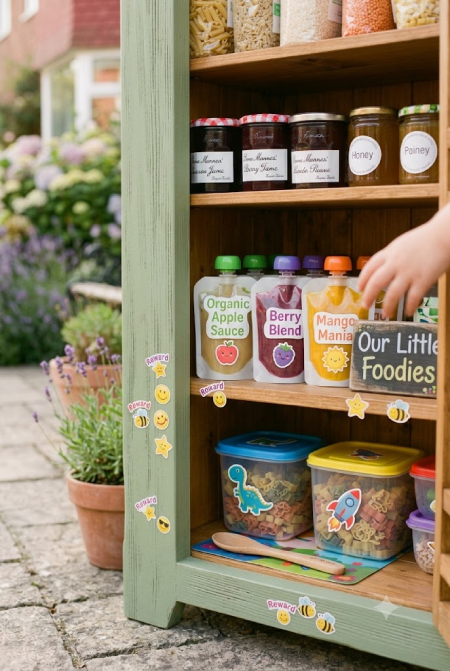
Dedicated lower shelf with child-friendly items (juice boxes, granola bars, picture books). Bright labels and fun stickers make shelf inviting for children. Kid-appropriate height accessibility. Inclusive design serves all community members.
Include items appealing to children: shelf-stable snacks, books, small toys. Position at child reach level (24-30 inches). Bright colors and playful design encourage family engagement. Brightens children’s day while supporting families. Small design element with meaningful impact.
🎪 12. Themed Week Rotation — Variety And Organization Strategy
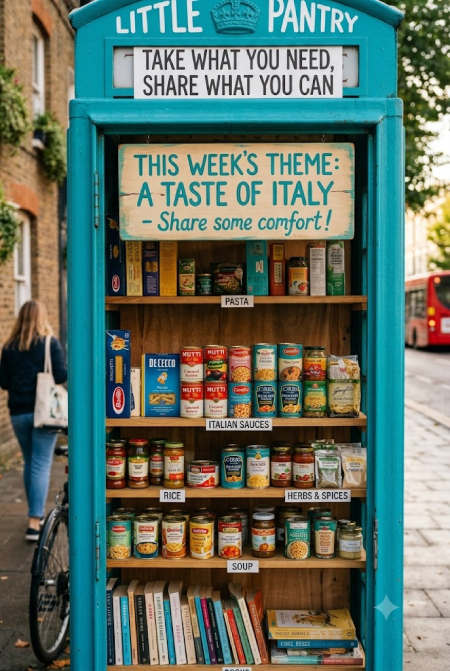
Dedicate section to rotating theme each week maintaining variety and balance. Week 1: Breakfast essentials. Week 2: Hygiene items. Week 3: Comfort foods. Week 4: School supplies. Rotation prevents overstock of single items. Small signage explains theme.
Create simple rotation schedule. Theme signage explains focus area. Balance between themed section and general items. Community learns to donate intentionally. Organization prevents pantry overwhelm. Creative approach maintaining sustainability.
🌱 13. Produce And Fresh Items Section — Expanding Beyond Shelf-Stable
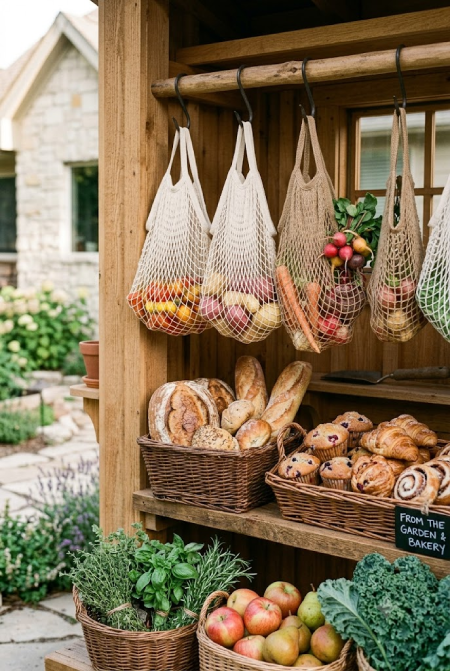
Add hooks or baskets for fresh produce, baked goods, and perishables. Rotate fresh items daily for quality assurance. Mesh bags hold fresh vegetables. Covered basket protects baked goods. Expands pantry offerings beyond typical shelf-stable items.
Implementation: Install hooks or hanging baskets. Establish daily produce rotation. Community members donate garden produce and fresh baked items. Freshness policy ensures quality. Significant expansion of available items improving community nutrition access.
🌧️ 14. Umbrella Lending Station — Unexpected Community Care
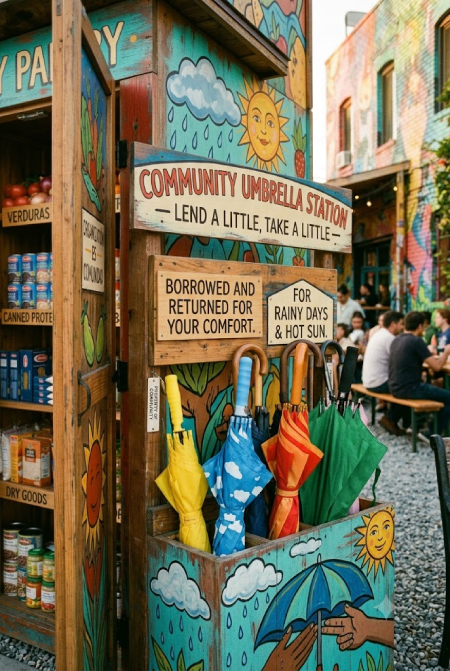
Include umbrella stand with shared umbrellas available for borrowing. Small gesture showing care beyond food. Labeled clearly so community understands availability. Especially valuable in rainy climates. Demonstrates holistic community support.
Source inexpensive umbrellas. Create simple stand or hook system. Clear labeling explains umbrellas are for borrowing. Position near pantry entrance for visibility. Weather-appropriate kindness initiative. Unexpected gesture becoming memorable community connection point.
📱 15. Community Communication Platform — Coordinating Donations And Awareness
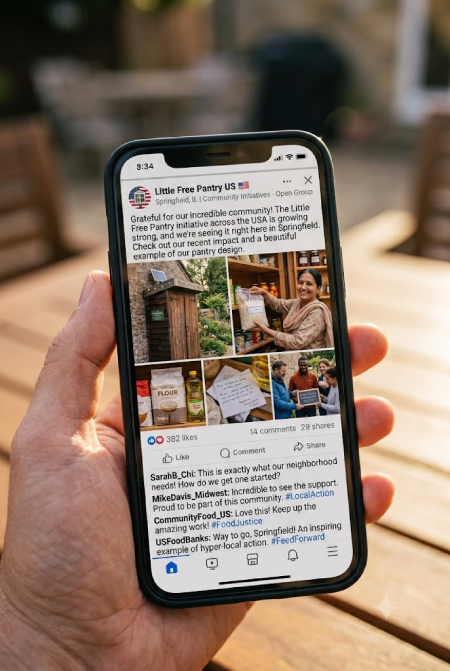
Establish social media page or group chat connecting community around pantry. Share donation needs, volunteer opportunities, and community stories. Photos celebrating donations and volunteer work. Digital connection extending physical pantry impact.
Create Facebook group, Nextdoor post, or group chat. Post regular updates on needs. Celebrate donor contributions and volunteer work. Share photos of happy community members. Digital platform creates awareness and encourages participation. Community-wide engagement multiplying pantry impact.
🛠️ Quick Practical Guide
Little free pantry essentials:
Ideal contents:
- Shelf-stable canned goods
- Boxed/packaged foods
- Pasta and grains
- Peanut butter, jelly
- Hygiene items (soap, toothpaste, feminine products)
- Baby formula and diapers
- Pet food
- Household essentials
- Seasonal items
Items to avoid:
- Expired foods (check dates)
- Open packages
- Glass jars (breakage hazard)
- Perishable items requiring refrigeration
- Items in poor condition
- Allergen-heavy items without labeling
- Medications (liability concern)
Safety guidelines:
- Inspect all donations before placing
- Remove damaged packaging
- Never include recalled items
- Label allergen-containing items clearly
- Maintain clean interior
- Regular inspection and cleaning
- Weather protection ensuring safety
Cost breakdown by build type:
Repurposed cabinet:
- Salvaged cabinet: Free-$50
- Paint and sealant: $20-40
- Shelving upgrade: $20-50
- Signage: $10-20
- Total: $50-160
Phone booth conversion:
- Vintage phone booth: $100-300
- Interior shelving: $30-60
- Paint and weatherproofing: $40-80
- Total: $170-440
DIY wooden build:
- Materials (wood, hardware): $80-150
- Tools (if purchasing): $50-150
- Paint and sealant: $30-50
- Hardware/hinges: $20-40
- Total: $180-390
Volunteer coordination system:
Sign-up options:
- Paper sign-up sheet on pantry
- Neighborhood social media group
- Nextdoor community board
- Email list circulation
- Phone/text group chat
Volunteer responsibilities:
- Weekly stock inspection
- Donate items as needed
- Organization maintenance
- Cleaning and sanitization
- Signage updates
- Problem-solving and adjustments
- Documentation of usage patterns
Monthly commitment: 1-2 hours per volunteer Ideal team size: 4-8 volunteers for sustainable coverage Recognition: Celebrate volunteers publicly, share appreciation
Community engagement strategies:
Educational outreach:
- Neighborhood newsletter feature
- Social media posts about pantry
- Community meeting presentations
- Invite neighbors to donation events
- Celebrate volunteer stories
- Share impact statistics
Donation drives:
- Seasonal giving campaigns
- Workplace collection programs
- School fundraiser partnerships
- Holiday giving initiatives
- Faith community involvement
- Local business donations
Maintenance schedule:
Daily:
- Check contents and condition
- Remove wet or damaged items
- Organize shelves
- Refill popular items
Weekly:
- Clean interior surfaces
- Inspect roof and weatherproofing
- Check for damage
- Organize donations
- Update signage
Monthly:
- Deep clean interior
- Inspect structural integrity
- Repaint or touch-up as needed
- Evaluate usage patterns
- Volunteer appreciation
Seasonally:
- Winterization check
- Summer temperature management
- Spring refresh and renovation
- Fall preparation assessment
Growth and expansion indicators:
When to add second pantry:
- Current pantry consistently overstocked
- Community demand clearly present
- Adequate volunteer support available
- Budget for second structure
- Different neighborhood location identified
- Community enthusiasm evident
Expansion planning:
- Survey community interest
- Identify underserved areas
- Assess volunteer capacity
- Budget second pantry
- Coordinate multiple pantries
- Maintain consistent standards
Legal and safety considerations:
Before installation:
- Check local ordinances (permits needed?)
- Confirm property permissions
- Liability insurance investigation
- Food safety regulations review
- Accessibility requirements (ADA)
- HOA rules if applicable
Ongoing compliance:
- Keep installation permits accessible
- Maintain insurance documentation
- Follow local food safety guidelines
- Document maintenance activities
- Address safety issues promptly
- Community communication about regulations
Impact measurement:
Tracking usage:
- Count items given/received
- Track unique community members
- Document food categories used
- Monitor seasonal patterns
- Survey community feedback
- Volunteer hours contributed
Community stories:
- Collect positive feedback
- Document volunteer experiences
- Share family stories (with permission)
- Highlight community connections
- Before/after neighborhood observations
- Media coverage opportunities
Sustainability factors:
Long-term success:
- Consistent volunteer participation
- Reliable donation sources
- Community buy-in and enthusiasm
- Adequate maintenance resources
- Structural durability investment
- Willingness to adapt and improve
- Celebration of impact and value