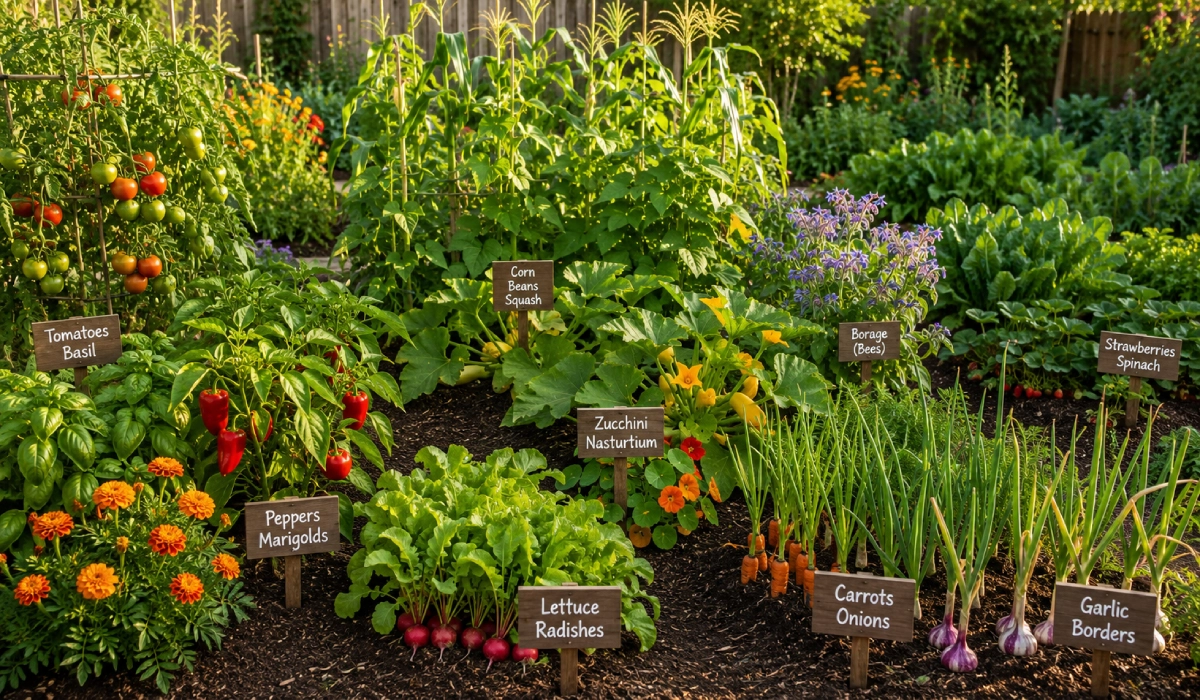

Companion planting is one of the simplest ways to grow healthier vegetables while naturally controlling pests and improving soil quality. By planting the right vegetables together, you create a garden ecosystem where plants genuinely support each other. Some plants repel harmful insects. Others attract beneficial ones. Many improve soil nutrients or provide shade for sensitive plants.
These 23 companion planting vegetable ideas show you exactly which plants thrive together and why. Each pairing includes the reason it works so you understand the science behind the combinations. This knowledge helps you make smart planting decisions for your specific garden situation. Your garden will be healthier, more productive, and genuinely easier to maintain.
🍅 1. Tomatoes + Basil = Pest Deterrent Power Pair
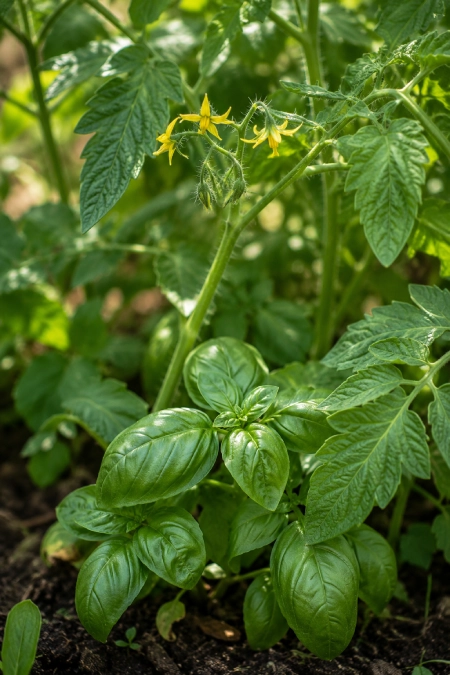
Tomatoes and basil are genuinely one of the best companion planting combinations. Basil repels harmful insects that commonly attack tomatoes. The plants literally protect each other while both being culinary staples. This pairing is almost magical.
Plant basil around the base of tomato plants or intersperse throughout tomato rows. Water both consistently. The combination creates a naturally pest-resistant zone where tomatoes grow healthier and produce more fruit. This pairing works in containers and garden beds equally well.
🥕 2. Carrots + Onions = Pest Confusion Strategy
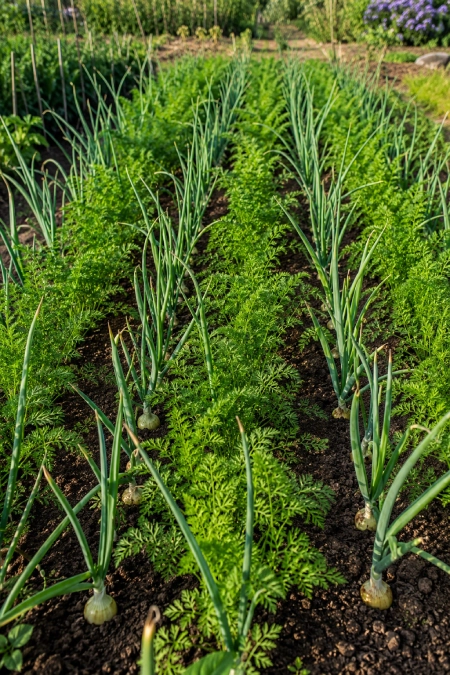
Onions repel aphids and carrot flies that commonly damage both vegetables. Growing onions near carrots confuses pests through scent masking. Both vegetables benefit from the shared protection. The pairing also allows vertical space optimization with onions growing above and carrots below.
Plant onion sets around carrot rows creating a protective barrier. Both mature at similar rates allowing synchronized harvest. The combination saves garden space while increasing productivity.
🌽 3. Corn + Beans + Squash = The Three Sisters
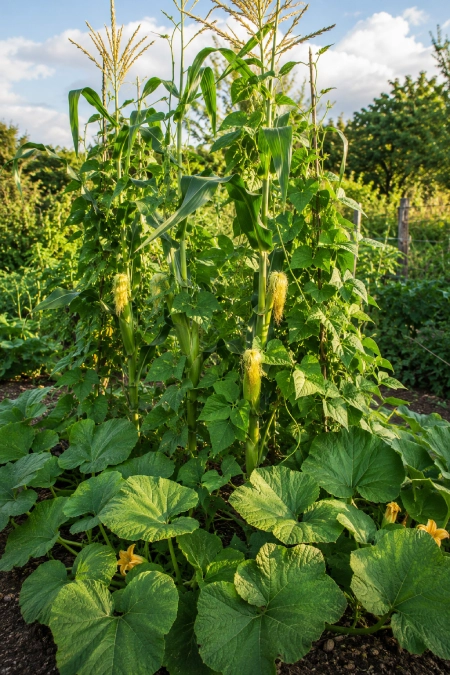
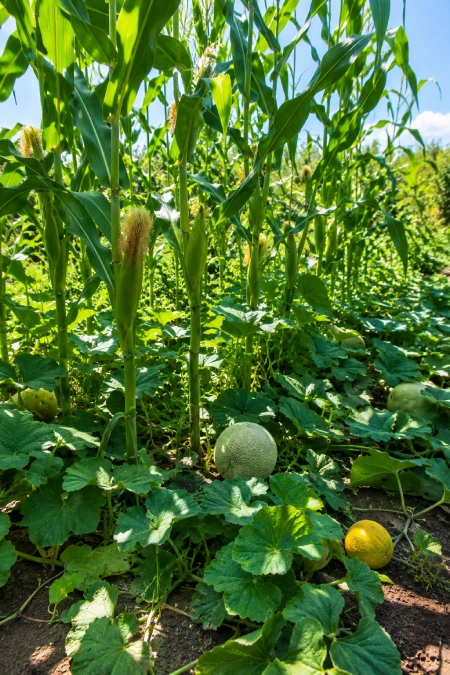
The Three Sisters is an ancient companion planting technique using corn as a trellis, beans fixing nitrogen, and squash shading soil. This combination works so well it sustained civilizations for centuries. The plants genuinely depend on each other for success.
Plant corn first allowing it to establish. Add beans once corn grows 6 inches tall. Plant squash when beans begin flowering. The corn supports beans. Beans fix nitrogen benefiting corn and squash. Squash leaves shade soil preventing weeds and retaining moisture.
🥬 4. Lettuce + Radishes = Quick Harvest Strategy
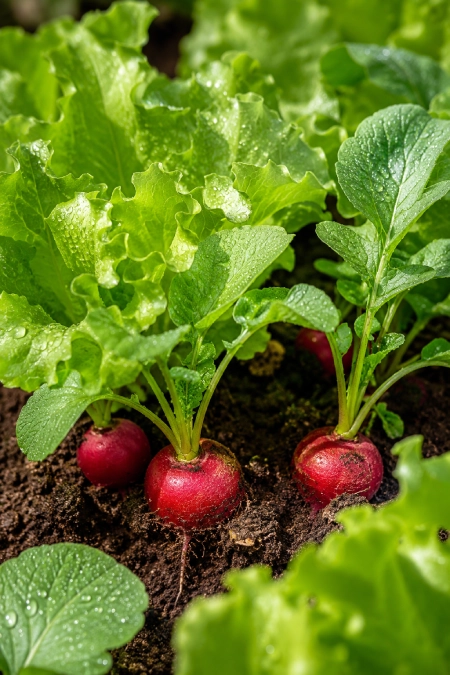
Radishes mature quickly (25-30 days) while lettuce takes longer (45-60 days). Planting both together maximizes space efficiency. Radishes also loosen soil benefiting lettuce roots. Radish leaves do not shade lettuce because both grow close to ground.
Plant radishes and lettuce seeds together in the same row. Harvest radishes first creating space for lettuce to spread. The combination doubles productivity in the same space and radishes provide early harvests while waiting for lettuce.
🥒 5. Cucumbers + Nasturtiums = Pest Trap System
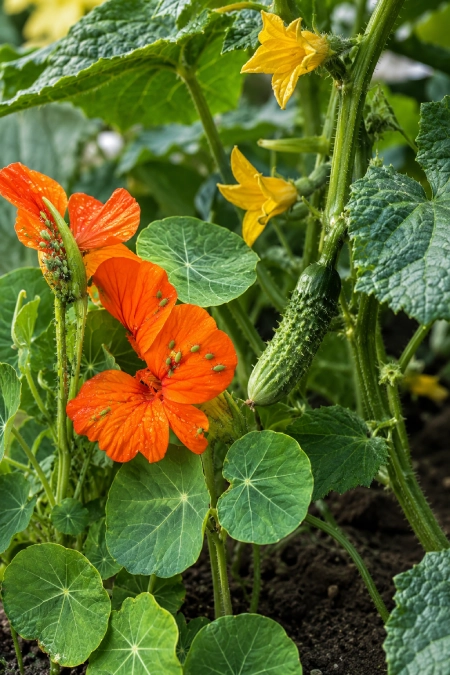
Nasturtiums attract aphids away from cucumbers acting as sacrificial pest traps. Gardeners call this a “trap crop” strategy. Aphids prefer nasturtiums to cucumbers so they attack the nasturtiums instead. Cucumbers stay healthy while nasturtiums serve a genuine purpose.
Plant nasturtiums around cucumber plants. Allow some aphids to colonize nasturtiums. The tradeoff is worth it because cucumbers remain pest-free. Nasturtiums are also edible with peppery flowers perfect for salads.
🫘 6. Peas + Carrots = Nitrogen Fixation Partnership
Peas fix nitrogen in soil naturally making carrots grow stronger and develop better color. Carrots roots do not compete with shallow pea roots. Both mature at similar times. The partnership creates improved soil for future plantings.
Plant peas where carrots will grow the following season or interplant if space allows. The nitrogen peas add to soil makes the carrot bed more fertile. After harvest, leave pea roots in soil to decompose and release nitrogen.
🌶️ 7. Peppers + Basil = Flavor and Protection Pair
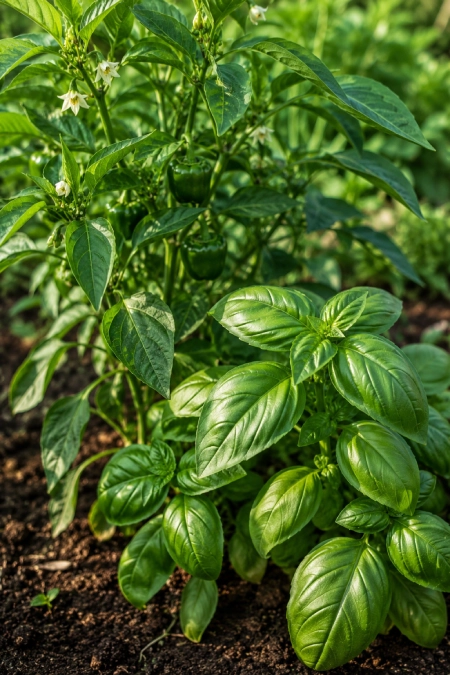
Basil repels spider mites and other pests affecting peppers. Both plants love warmth and similar growing conditions. The combination works beautifully in containers and garden beds. Plus, both are culinary staples so the pairing makes practical sense.
Plant basil around pepper plants creating a protective circle. Both thrive in similar watering and feeding schedules. The pairing is genuinely effortless once established because the plants want the same conditions.
🧅 8. Garlic + Any Vegetables = Universal Pest Repellent
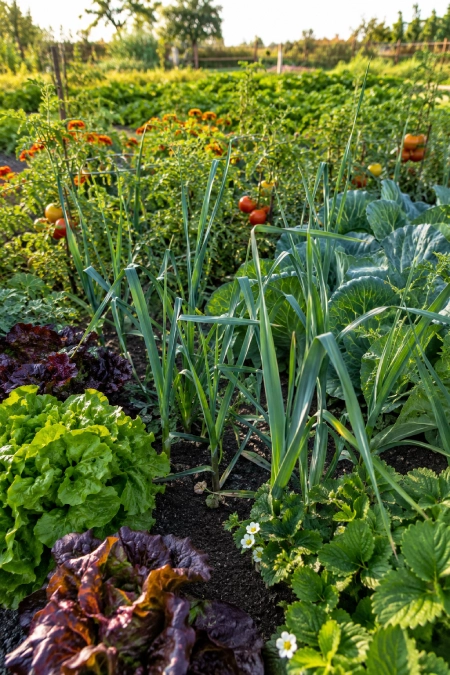
Garlic repels numerous pests affecting virtually all vegetables. Planting garlic around vegetable beds creates a protective barrier. The strong sulfur compounds in garlic genuinely deter aphids, mites, and beetles. Garlic is one of the most universally beneficial companion plants.
Plant garlic cloves in fall for spring emergence. Position around bed perimeters or intersperse throughout. The pest protection is genuine and consistent season after season.
🥜 9. Beans + Potatoes = Nitrogen Mutual Benefit
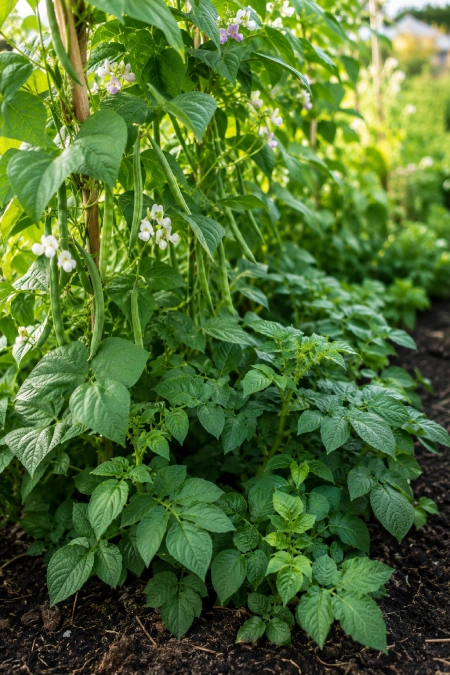
Beans fix nitrogen benefiting potato growth. Potatoes’ shallow root system does not compete with beans’ nitrogen-fixing nodules. Both mature during similar timeframes. The partnership increases yield in both crops noticeably.
Plant potatoes first. Add beans once potatoes are established. The combined nitrogen enrichment creates healthier, more productive crops. The partnership also improves soil for subsequent plantings.
🍈 10. Melons + Corn = Shade and Support System
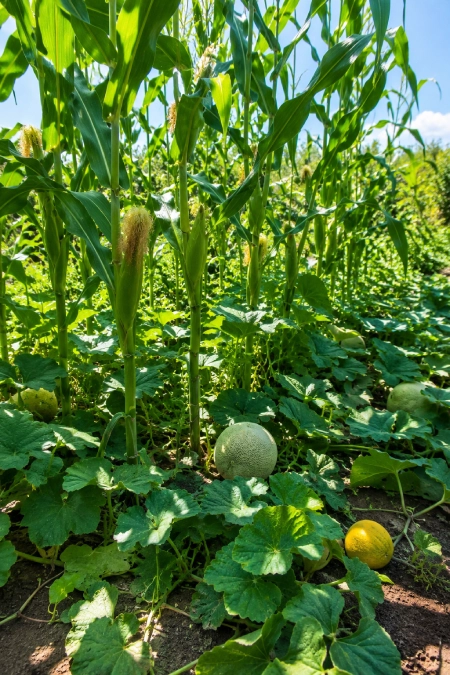
Corn provides shade for melon vines preventing scorching in intense sun. Melon vines spread across ground without competing for light. Both benefit from the arrangement. Corn grows upward while melons spread horizontally using all garden space efficiently.
Plant corn first. Add melons once corn establishes height. The corn provides genuine shade relief during peak summer heat. Melons develop sweeter fruit with less sun stress. The vertical-horizontal arrangement maximizes space.
🍆 11. Eggplant + Basil = Italian Garden Harmony
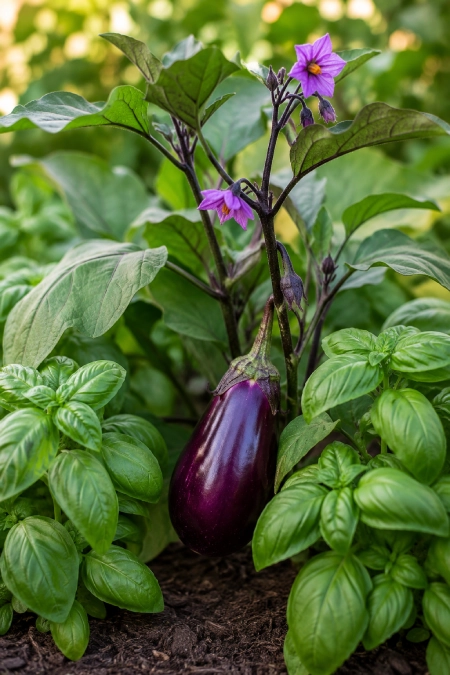
Basil repels pests affecting eggplants while both are Italian cooking staples. The plants genuinely work together beautifully. Both love warmth and similar watering. The pairing makes practical and culinary sense creating harmony in the garden.
Plant basil around eggplants as they establish. The pest protection is genuine and consistent. The pairing is effortless because both want identical growing conditions.
🌼 12. Zucchini + Marigolds = Pest and Beauty Combination
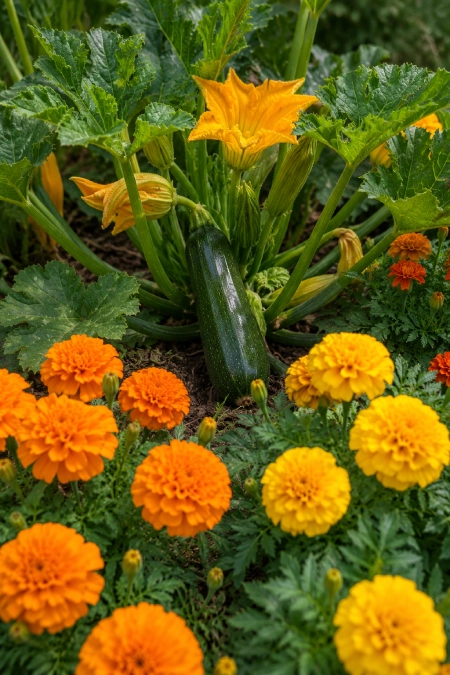
Marigolds repel squash bugs and other pests attacking zucchini. The bright flowers add visual beauty while providing genuine pest control. Both thrive in warm weather. The combination creates a beautiful, productive garden section.
Plant marigolds around zucchini plants. The flowers bloom continuously providing months of pest protection. The bright colors attract beneficial insects while repelling harmful ones creating balanced ecosystem.
🥦 13. Broccoli + Chamomile = Immune System Support
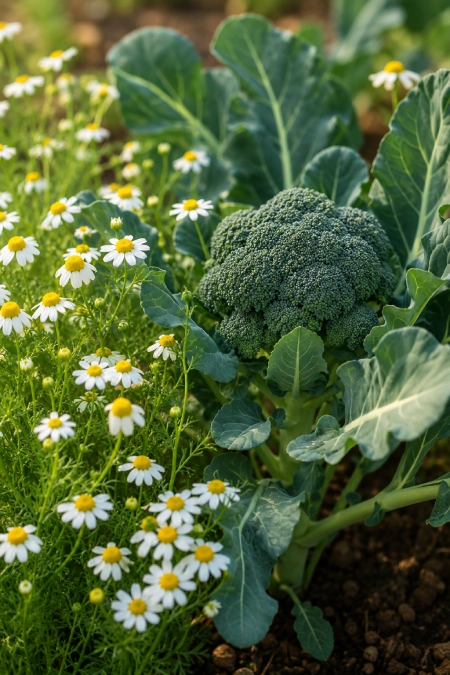
Chamomile improves the overall health of nearby plants including broccoli. The delicate flowers add visual interest while supporting plant vigor. Both benefit from moderate moisture and cooler season growing. The pairing creates surprisingly beautiful garden sections.
Plant chamomile seeds around broccoli as it establishes. The flowers bloom attracting beneficial insects. The combination naturally improves broccoli vigor while adding flower color to vegetable gardens.
🥬 14. Spinach + Strawberries = Space Efficient Pairing
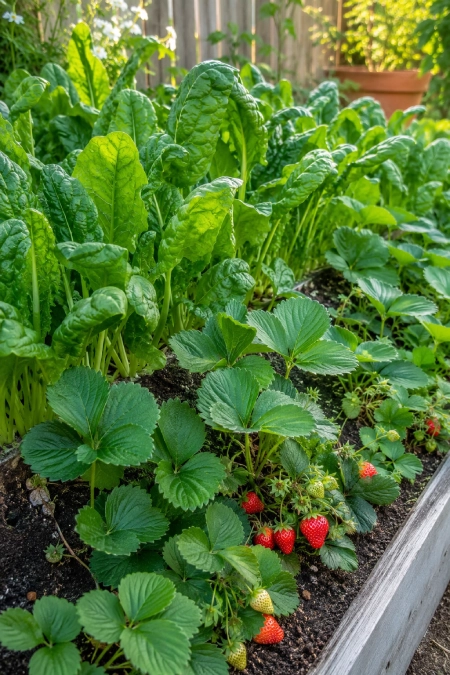
Spinach grows upright while strawberries spread horizontally at ground level. Both prefer similar moisture levels. Strawberries provide living mulch for spinach. The combination maximizes small space usage creating abundance in limited areas.
Plant strawberries first. Add spinach seeds once strawberries establish runners. The strawberry runners do not interfere with spinach growth. Both mature at different rates allowing staged harvests.
🥬 15. Kale + Beets = Root and Leaf Efficiency
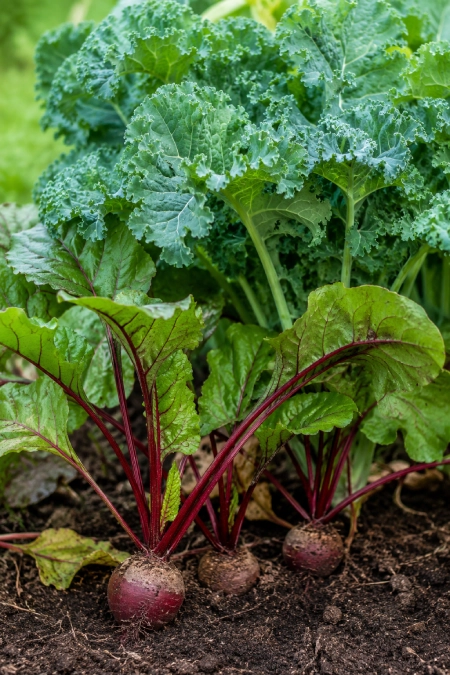
Kale grows tall while beets develop roots below. The root systems do not compete for space or nutrients. Both prefer similar cool-season conditions. The combination maximizes vertical garden space for different crop types.
Plant beets in prepared beds. Add kale seedlings once beets establish. Both mature at slightly different times allowing staged harvests. The pairing creates the illusion of multiple crops in minimal space.
🥔 16. Potatoes + Beans = Nitrogen Cycle Partnership
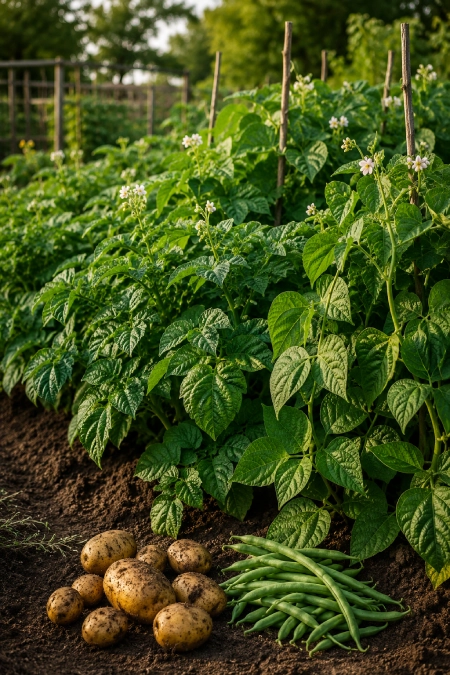
This combination creates a genuine nutrient cycle. Beans fix nitrogen while potatoes consume it. The partnership creates naturally fertile soil. Both mature at similar rates. The combination is one of nature’s most efficient crop partnerships.
Plant potatoes first establishing beds. Add beans once potatoes are growing. The nitrogen beans add creates healthier potato growth. After harvest, the enriched soil benefits subsequent plantings dramatically.
🌶️ 17. Peppers + Marigolds = Dual Protection System
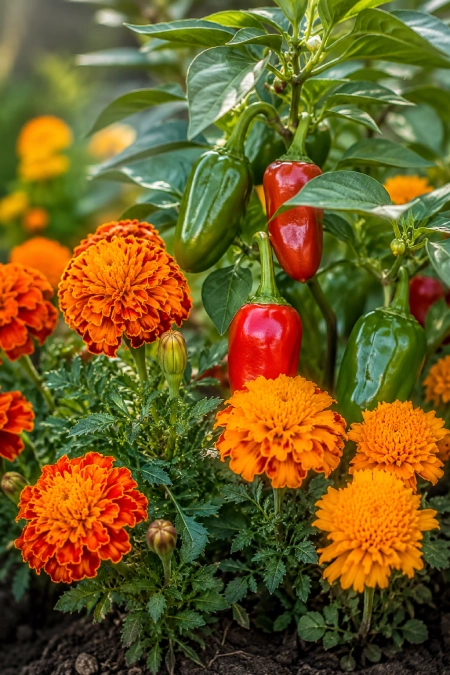
Marigolds repel spider mites and other pests targeting peppers. Peppers appreciate the bright flowers’ presence. Both love warmth and well-draining soil. The pairing adds color beauty while providing genuine pest protection.
Plant marigolds around pepper plants early. The continuous flowering provides months of pest deterrent. The bright colors add visual interest to vegetable gardens.
🥬 18. Lettuce + Chives = Pest Deterrent Harvest
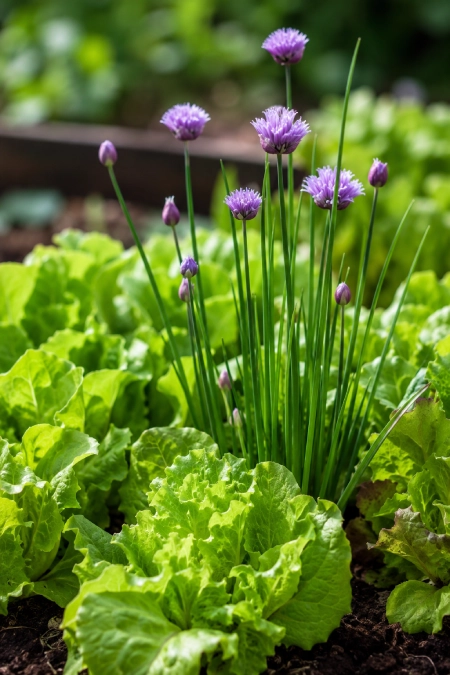
Chives repel aphids affecting lettuce while both are culinary staples. Chive leaves regrow after harvesting. The combination creates continuous pest protection and harvests. Both prefer similar moisture levels creating easy maintenance.
Plant chives around lettuce beds. Harvest chive tops regularly. The regrowth provides continuous pest protection while providing harvests. The pairing is genuinely effortless once established.
🍅 19. Tomatoes + Parsley = Flavor and Function
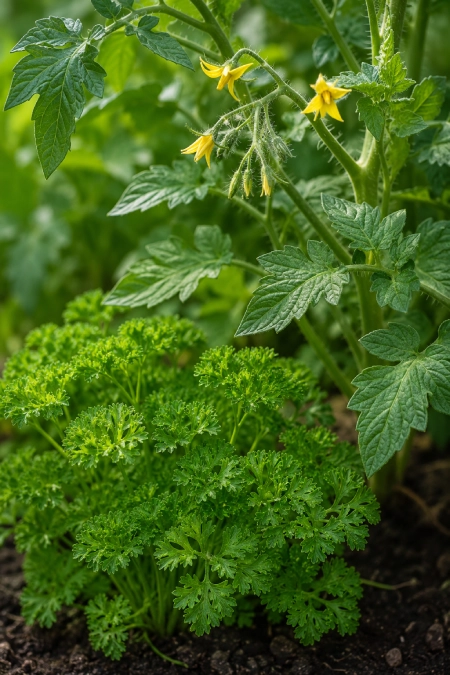
Parsley attracts beneficial insects around tomatoes. Both are culinary staples creating practical pairings. Parsley regrows after harvesting providing continuous harvests alongside tomatoes. The combination is genuinely effortless.
Plant parsley at tomato bases. Harvest parsley regularly. The regrowth continues attracting beneficial insects while providing flavor harvests. The pairing works in containers and gardens.
🥬 20. Cabbage + Dill = Beneficial Insect Magnet
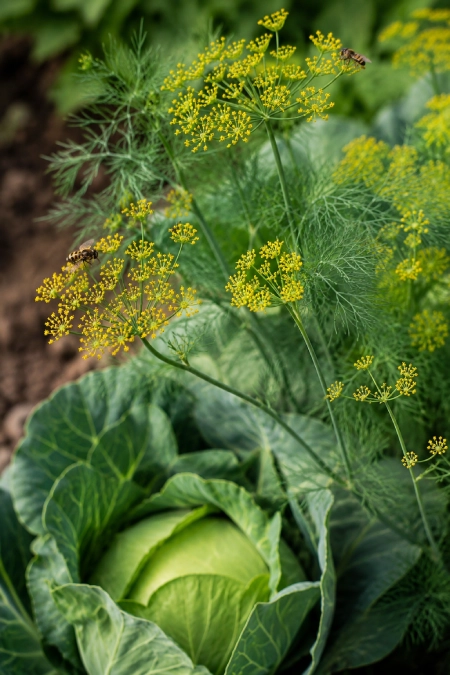
Dill attracts parasitic wasps that prey on cabbage moths and other pests. The delicate dill flowers add visual interest. Both prefer similar growing conditions. The pairing creates beautiful, productive garden sections.
Plant dill seeds around cabbage plants. Allow some dill to flower providing habitat for beneficial insects. The pest control is genuine and consistent protecting cabbage naturally.
🎃 21. Pumpkins + Corn = Space Sharing System
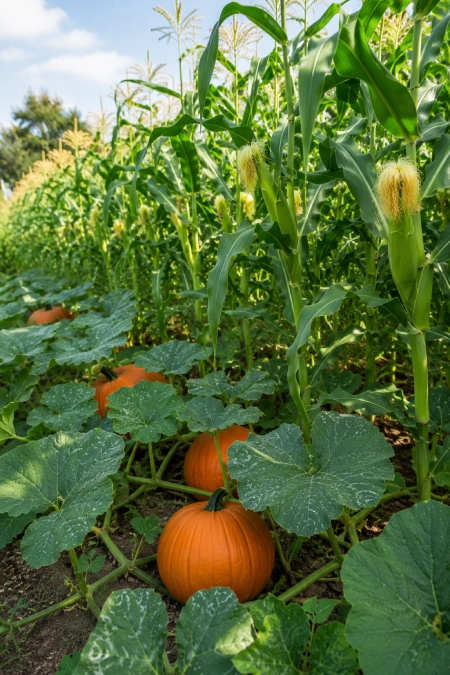
Pumpkins spread across ground while corn grows upright. Both need warmth and rich soil. The pairing maximizes vertical and horizontal space. Corn provides some shade relief for pumpkins during intense heat.
Plant corn first. Add pumpkins once corn establishes height. Pumpkin vines spread beneath corn without competing. Both mature at slightly different times allowing staged harvests. The combination doubles productivity in the same space.
🥬 22. Spinach + Thyme = Flavor and Protection Pair
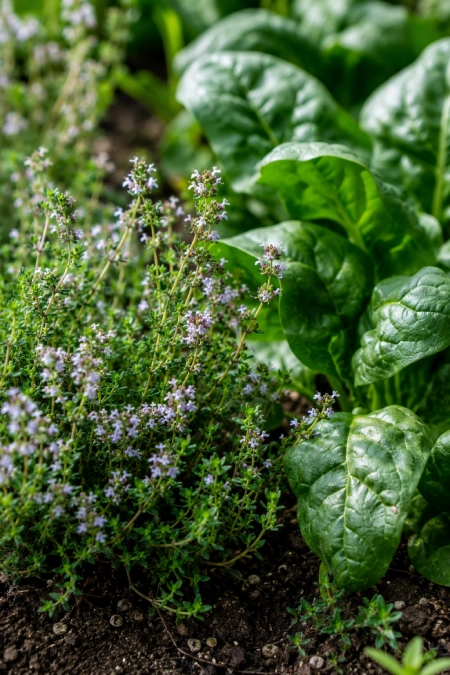
Thyme repels cabbage moths and other pests affecting spinach. Both prefer similar growing conditions and moisture levels. Thyme’s delicate flavor complements spinach in cooking. The pairing combines culinary and practical benefits.
Plant thyme around spinach beds. Both thrive in similar conditions making maintenance minimal. The pest protection is genuine while thyme provides harvests alongside spinach.
🌿 23. Borage + Tomatoes and Squash = Triple Benefit Pairing
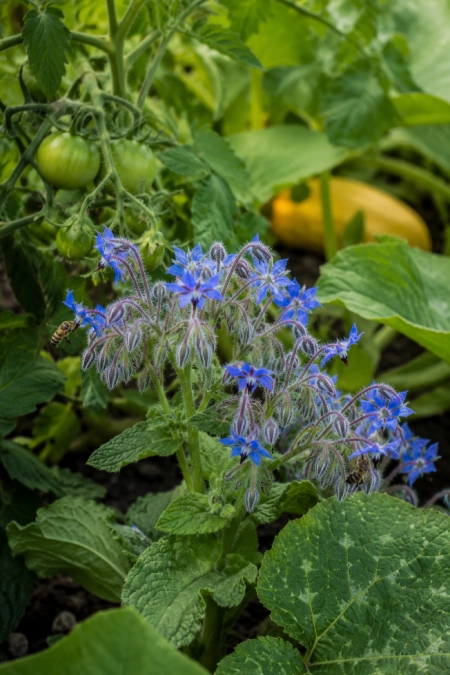
Borage attracts bees essential for pollinating tomatoes and squash. The flowers are also edible adding visual interest. Borage repels tomato hornworms and other pests. The blue flowers add genuine beauty to vegetable gardens.
Plant borage seeds near tomato and squash plants. Allow flowers to bloom attracting pollinators. The pest control and pollination benefits are genuine and consistent throughout the season.
🛠️ Quick Practical Guide
Companion planting benefits explained:
- Pest deterrence — strong-scented plants repel harmful insects
- Pest traps — sacrificial plants attract pests away from main crops
- Nitrogen fixation — legumes add nitrogen benefiting other plants
- Pollinator attraction — flowers attract bees essential for fruit production
- Shade provision — tall plants provide relief for heat-sensitive crops
- Space efficiency — different root depths and heights use space intelligently
- Soil improvement — varied plant types create diverse micronutrients
Timing for best results:
- Plant tall crops (corn, tomatoes) first for establishment
- Add companion plants (basil, marigolds) once main crops establish 6-8 inches
- Plant legumes (beans, peas) for soil enrichment in spring or fall
- Add trap crops (nasturtiums, borage) early for pest deterrence
- Succession plant quick crops (radishes) with slower crops (lettuce)
Common companion planting pairs by vegetable:
Tomatoes pair with: Basil, parsley, borage, marigolds, carrots Peppers pair with: Basil, marigolds, onions, spinach Cucumbers pair with: Nasturtiums, corn, radishes, marigolds Beans pair with: Corn, squash (Three Sisters), potatoes, carrots Carrots pair with: Onions, lettuce, radishes, peas Lettuce pair with: Radishes, strawberries, chives, spinach Cabbage pair with: Dill, chamomile, thyme, beets Spinach pair with: Strawberries, thyme, chives, kale Squash pair with: Corn, beans (Three Sisters), borage, nasturtiums Pumpkins pair with: Corn, beans, marigolds
Planting distances for companion pairing:
- Close companions (6-12 inches) — basil with tomatoes, chives with lettuce
- Medium distance (12-18 inches) — marigolds around peppers or zucchini
- Row spacing (18-24 inches) — onions with carrots, corn with beans
- Broad spacing (3+ feet) — tall crops like corn with ground crops like melons
Seasonal planning for companions:
- Spring — plant cool-season crops with companions (lettuce/radishes, spinach/thyme)
- Early summer — establish warm-season crops with pest-deterrent companions
- Mid-summer — add succession plantings maintaining pest control
- Fall — plant fall companions for cool-season crops
Common companion planting mistakes to avoid:
- Planting incompatible root systems competing for water/nutrients
- Adding too many companion plants creating crowding and competition
- Ignoring spacing requirements reducing benefits of pairing
- Expecting instant pest control (takes 2-3 weeks for deterrence)
- Not rotating companion pairings annually (pest resistance develops)
- Forgetting that some “companions” actually compete or allelopathically inhibit
- Ignoring watering needs of different companions
Spacing considerations:
- Ensure adequate air circulation preventing disease
- Leave room for harvesting and weeding
- Account for mature plant size not seedling size
- Consider root depth preventing nutrient competition
- Plan for companion plant sprawl (vines, runners)
Monitoring and maintenance:
- Watch for pest pressure even with companion plants
- Adjust spacing if plants seem crowded
- Harvest regularly encouraging growth
- Remove diseased plants preventing spread
- Water at soil level avoiding wet foliage
- Provide support structures for climbing plants
Maximizing companion planting benefits:
- Use multiple companion plants for layered protection
- Rotate companion pairings annually
- Allow some companion flowers to bloom attracting beneficials
- Maintain healthy soil supporting all plants
- Monitor for genuine pest issues requiring intervention
- Document what works creating personalized companion planting guide
- Share successes encouraging other gardeners